
Pipeline
Chloe Beddow & Leon Scott-Engel
22.January.26 + 21.March.26
Blind Spot brings together new works by Chloe Beddow and Leon Scott-Engel, whose practices are united by an inquiry into how care is designed, felt, and made visible. Working across the expanded fields of painting and sculpture, the two artists propose alternative narratives for how care can be constructed and perceived.
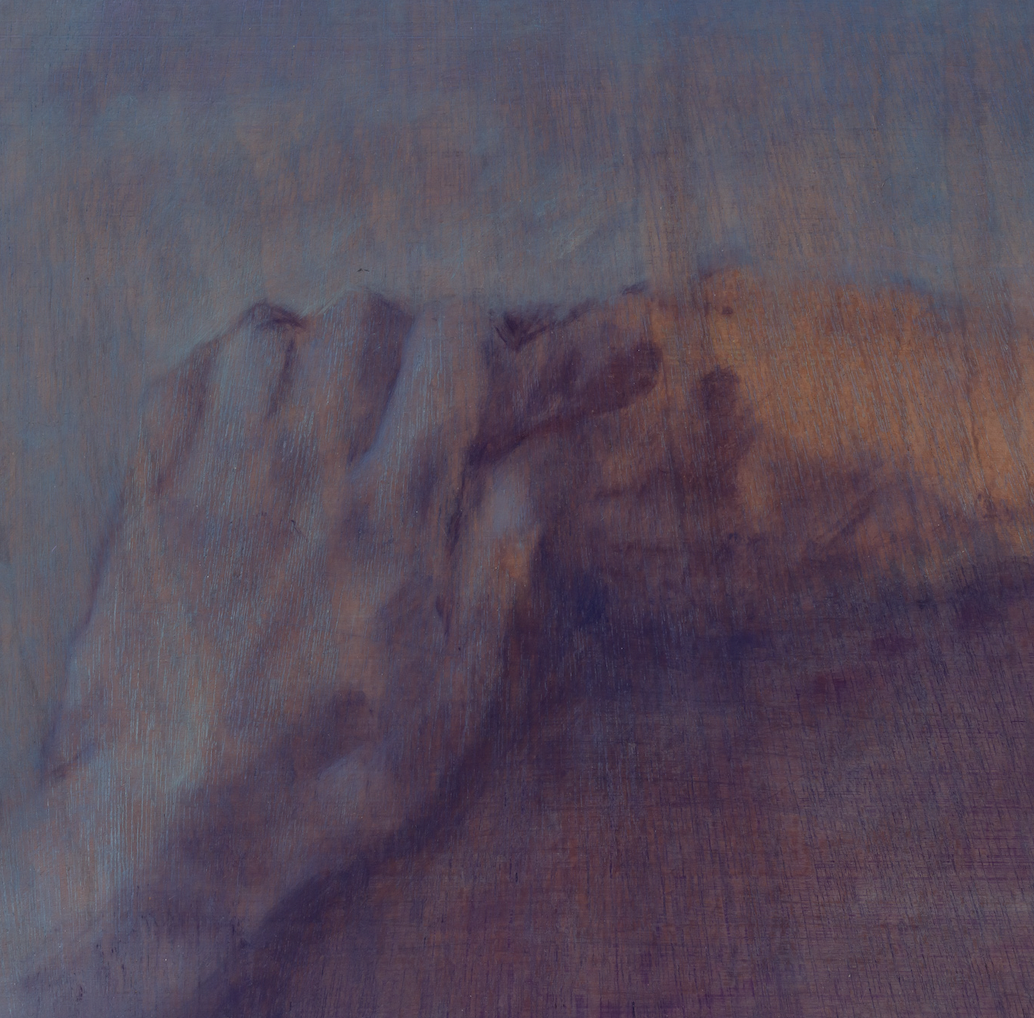
Led by a curiosity about who the world is designed and built for, Chloe Beddow creates hand-drawn digital painting made from embodied materials such as leather, wood and velvet to create works that exist between painting and sculpture. In this new body of work, Beddow challenges the relationship between care and desirability, using grandeur and ornamentation to revalue objects associated with disability and access. By adorning her works with visceral fabrics, she employs opulence as a deliberate strategy to disrupt hierarchies of value, insisting that moments of care and accessibility deserve the same attention and reverence as objects traditionally deemed desirable.
Leon Scott-Engel approaches painting as a physical object, one that occupies, responds to and reshapes space. For Blind Spot, Scott-Engel turns his attention to the interior anatomy of space. A large grid-like structure spans the gallery ceiling, modelled on a hospital waiting room. Scott-Engel reflects on the design of care within such settings and considers how these structures might be reimagined. The paintings’ leaf motif functions as a quiet symbol for healing, transformation and grief. Referencing cycles of growth and renewal, the motif underscores the emotional and bodily experiences embedded within environments of care. While the grid suggests order and repetition - a format historically associated with stability and control, particularly within mental health contexts - the subtle variation across each panel introduces temporality, movement and atmosphere, creating a space that feels transitional rather than fixed.
Blind Spot asks viewers to consider where care is made visible, where it is overlooked, and how it might be reimagined through material, space, and aesthetic value. By foregrounding accessibility, vulnerability, and environment, the exhibition invites a reconsideration of how care is experienced, both personally and collectively, and who it ultimately serves.
Info + opening times
Pipeline