
Gallery of Everything
Ectoplasmix
12.October.25 – 14.December.25
The Gallery of Everything announces Ectoplasmix, an exhibition examining the intersections of spiritualism, mediumship, and artistic practice - past and present. Presented in parallel with a focused survey of Madge Gill at Frieze Masters Spotlight 2025 in London and an exhibition devoted to Hector Hyppolite at Art Basel Paris 2025, Ectoplasmix situates itself within an international dialogue around visionary, spiritualist, and mediumistic traditions in art.
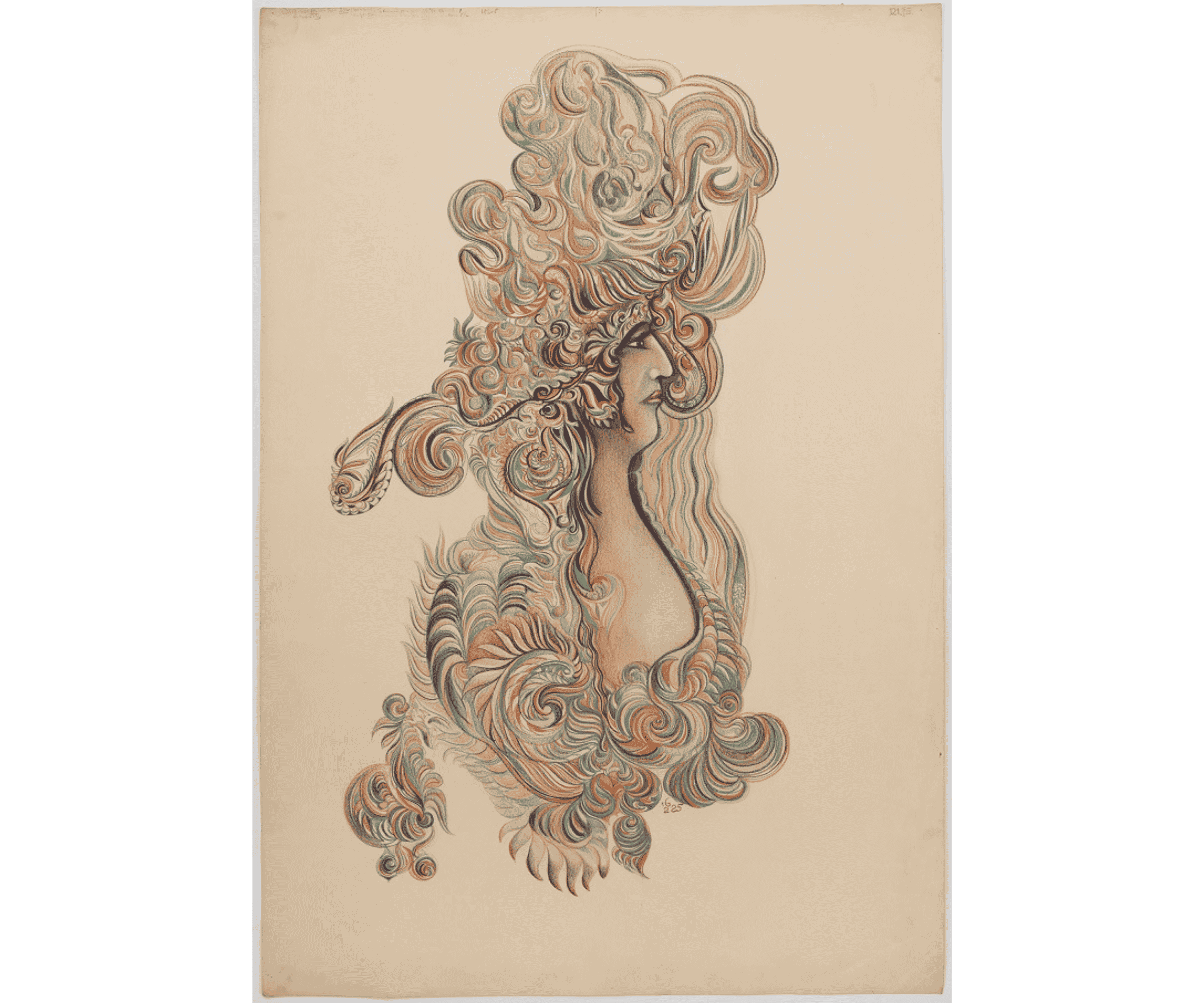
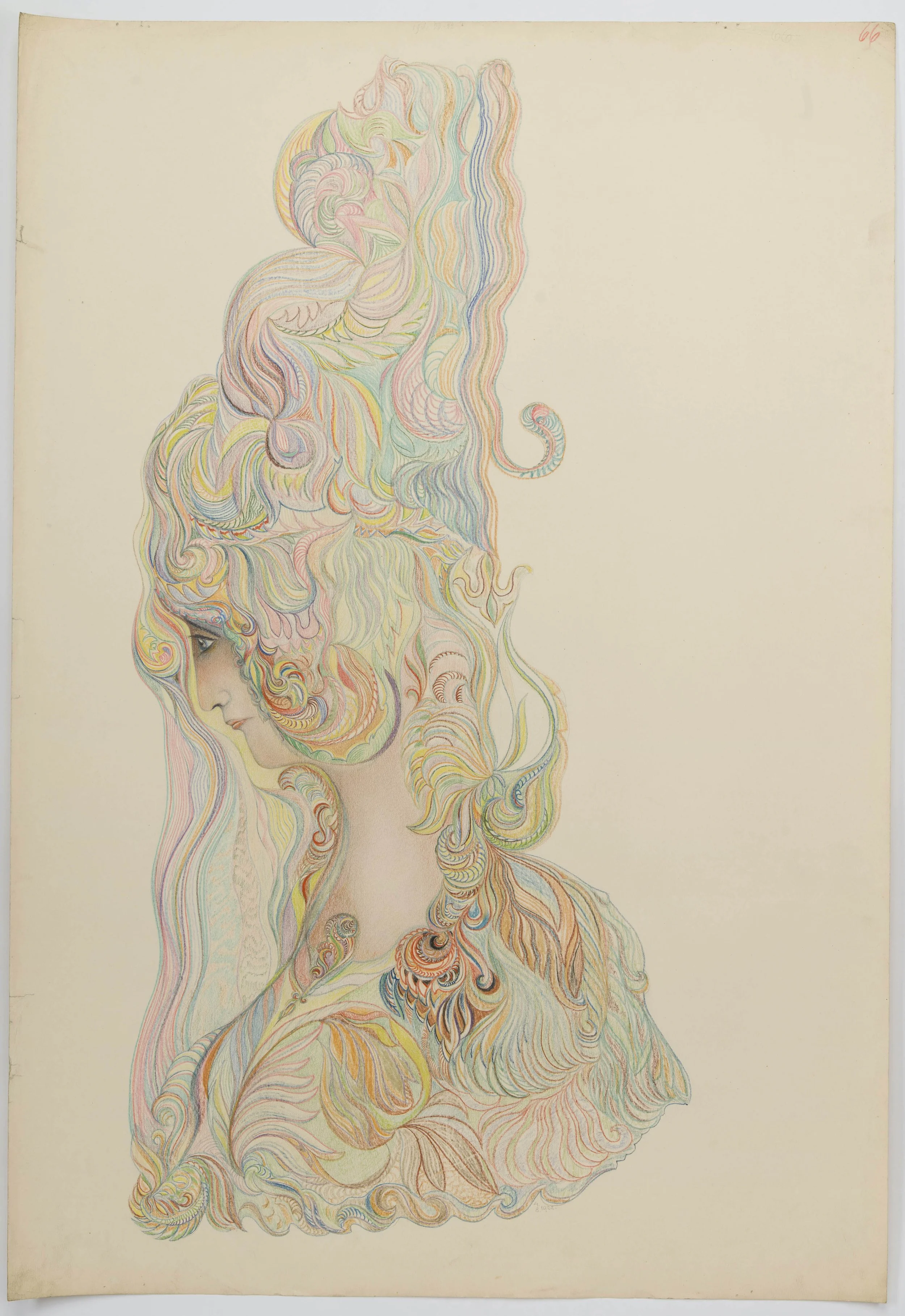
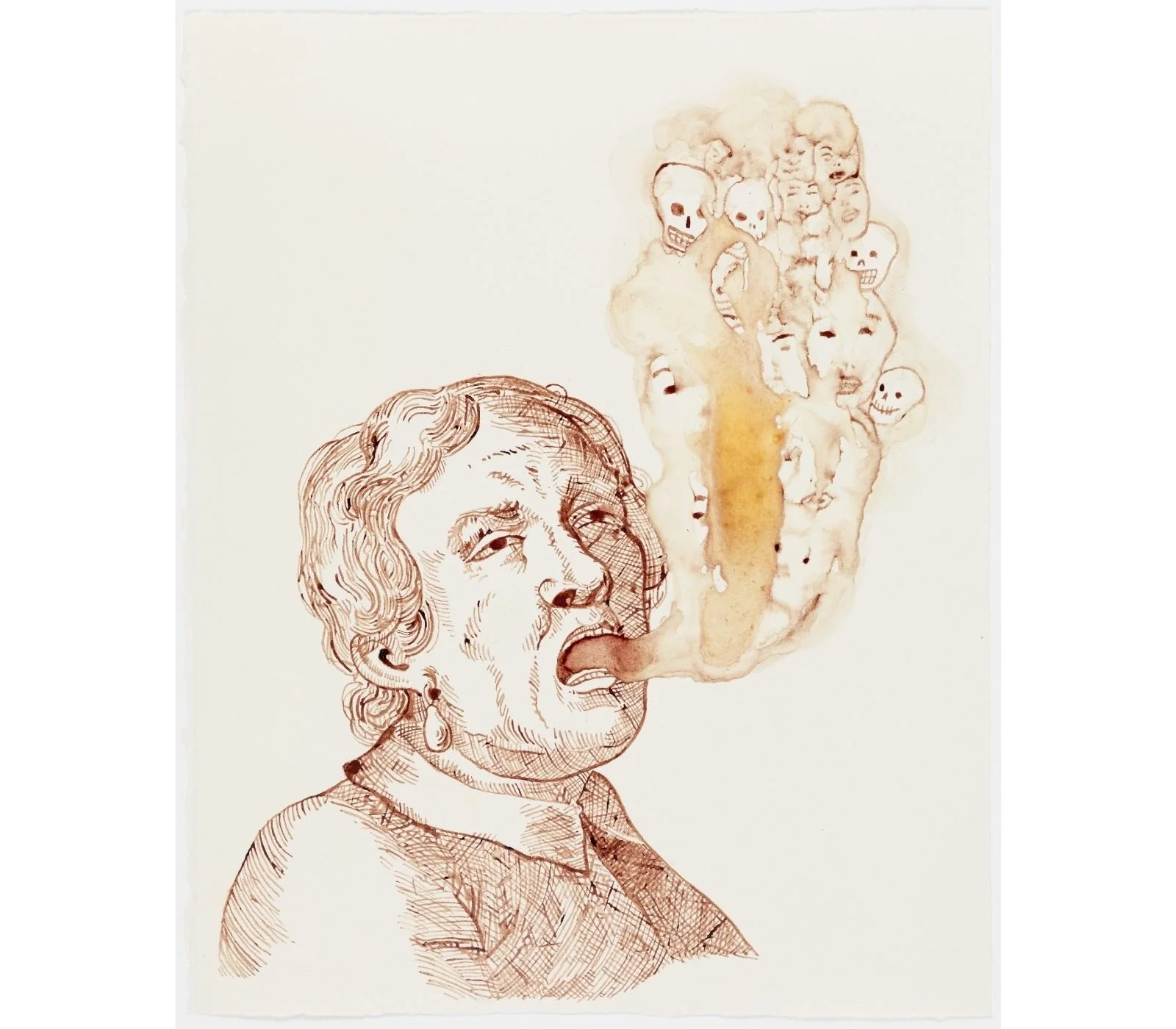
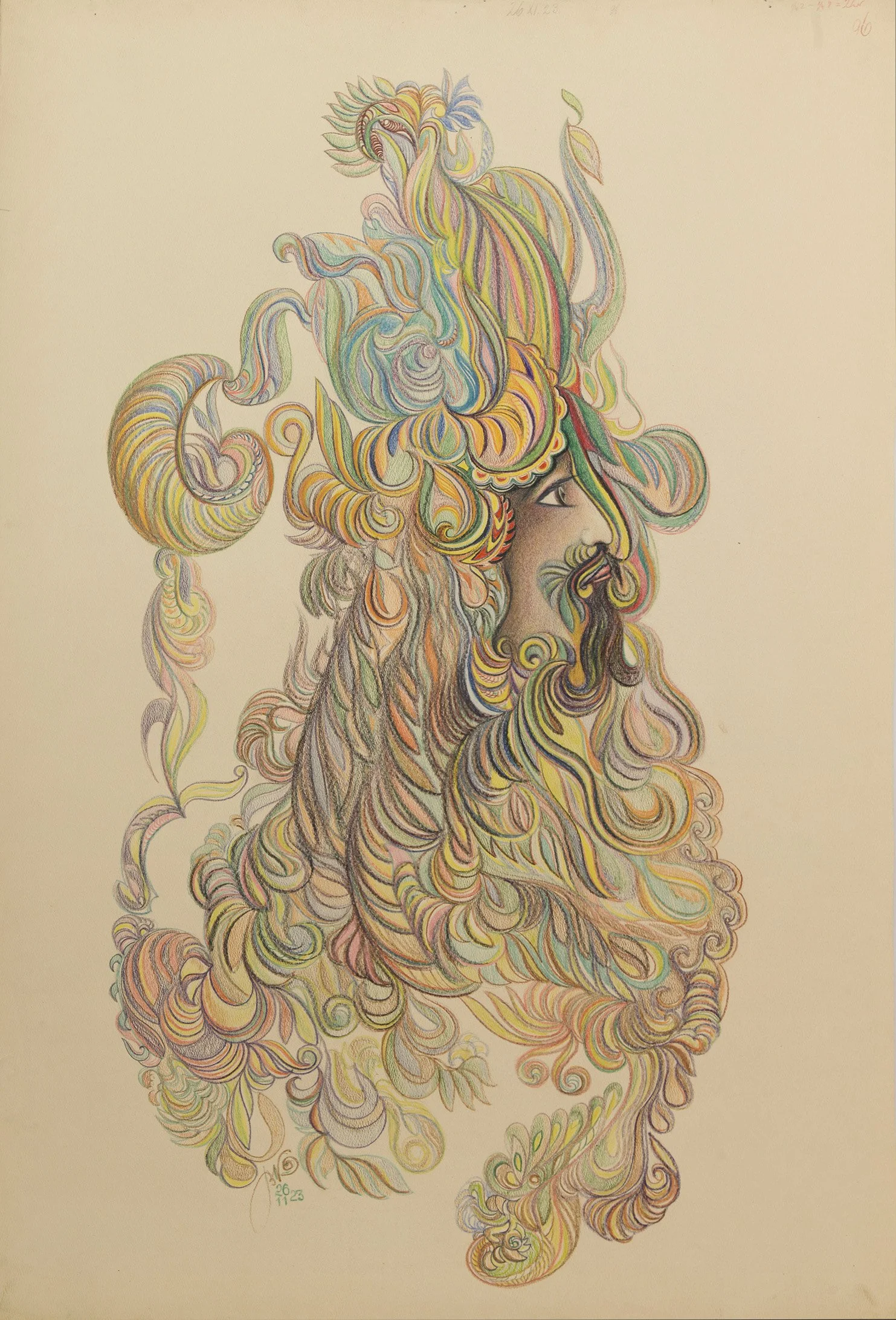
At once uncanny and mesmerising, Ectoplasmix brings together historic and contemporary artists to trace the enduring influence of ectoplasm in visual culture. Highlights include proto-psychedelic portraits, of Czech medium František Jaroslav Pecka, whose recently rediscovered pastel finger paintings depict swirling, luminous forms suggestive of cosmic and metaphysical energies; four spectral works by British occultist Austin Osman Spare; rarely seen séance photographs from Dr Thomas Glendenning Hamilton (Canada), Dr Francesco Ponte (Puerto Rico), and Enrico Imoda’s Fotografie di Fantasmi; as well as contemporary contributions by Susan Hiller, Mike Kelley, Paul Noble, Mathew Weir, and Tony Oursler, whose installations and drawings continue to explore the symbolic, ritualistic, and uncanny potential of ectoplasm.
Collectively, these works establish a critical dialogue between historical and contemporary practices, interrogating the intersections of empirical inquiry and metaphysical speculation, as well as the tangible and the intangible. The term “ectoplasm” was first introduced in 1856 by English anatomist Thomas Henry Huxley to describe the outer layer of cytoplasm in protozoa. In 1894, French physiologist Charles Richet adapted the word to spiritualist contexts, applying it to the mysterious material reportedly exuded by mediums during séances.
This linguistic shift reflected a broader tendency to borrow scientific language to legitimise metaphysical phenomena. From the late nineteenth century onwards, ectoplasm became central to the culture of séance. Mediums such as Eusapia Palladino in Italy, Eva Carrière in France, and Mina “Margery” Crandon in the United States were said to produce white or translucent substances that formed shapes, faces, or limbs. Photographers and psychical researchers documented these manifestations in journals and books, while critics - including the magician Harry Houdini - exposed them as sleight-of-hand and cloth contrivances. Whether seen as proof of spirit presence or evidence of fraud, ectoplasm fascinated believers and sceptics alike.
Beyond the séance room, ectoplasm entered the visual imagination of artists. In the 1920s, Pecka produced organic, plasma-like forms, while British figures such as Madge Gill channelled spectral imagery into dense, energetic, and architecturally complex drawings. Later, artists including Mike Kelley and Susan Hiller reframed ectoplasmic forms through installation and photography, and Tony Oursler compiled a significant archive of spiritualist documentation, published in Imponderable (2015). Today, Paul Noble and Mathew Weir continue to explore ectoplasm as a symbolic, uncanny, and ritualistic medium.
Far from being a relic of spiritualist history, Ectoplasmix demonstrates that ectoplasm remains a vibrant and evolving aesthetic and conceptual methodology. Ectoplasmix invites viewers to encounter the uncanny, to witness the traces of unseen forces, and to consider the enduring fascination of the spirit world in artistic practice - past, present, and beyond.
‘To all appearances, the artist acts like a mediumistic being who, from the labyrinth beyond time and space, seeks his way out to a clearing.’ - Marcel Duchamp, 1957
Info + opening times
The Gallery of Everything