
Huxley-Parlour, Swallow Street
Joel Meyerowitz
05.June.26 - 11.July.26
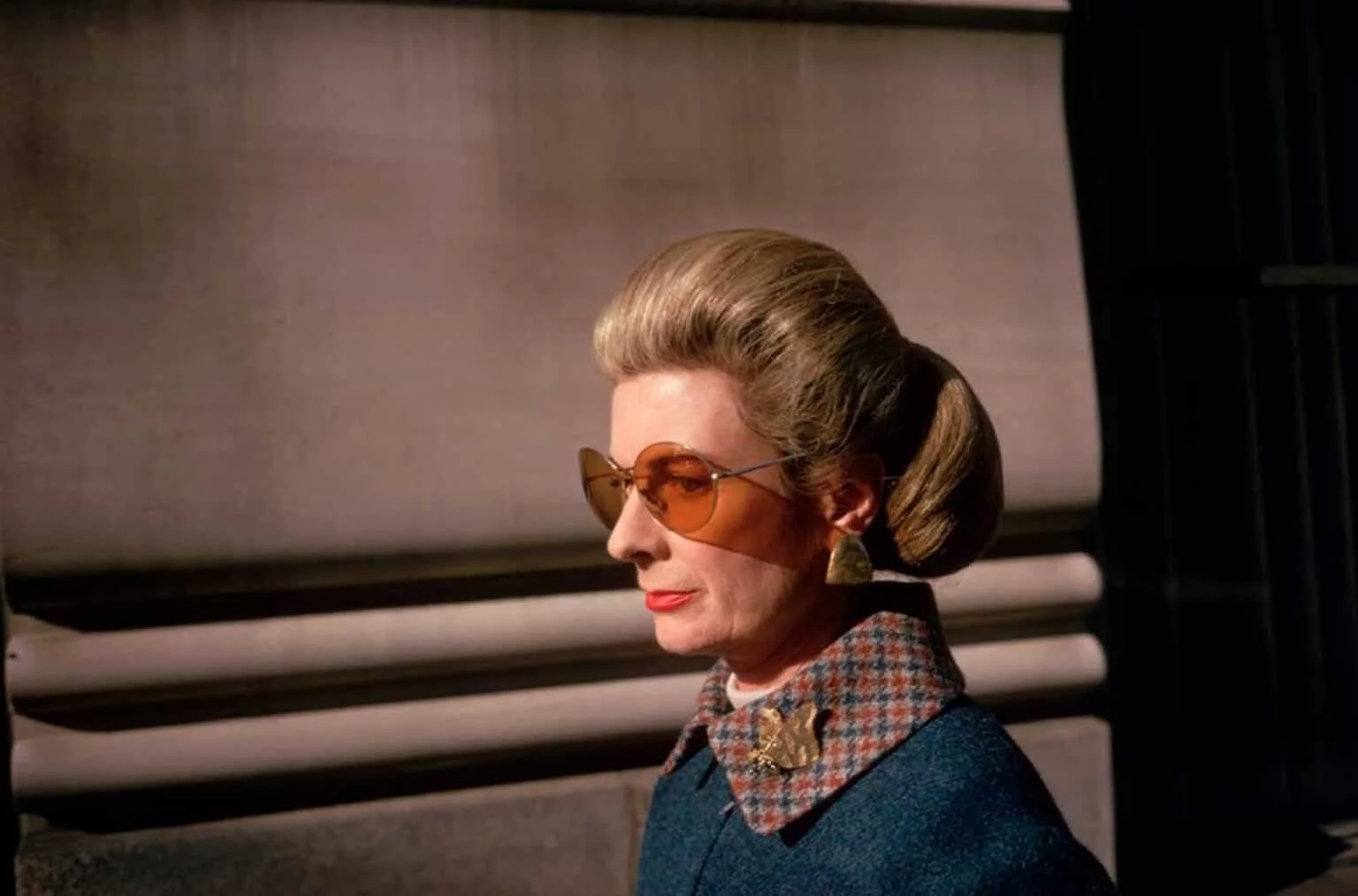
Huxley-Parlour announces Select Works, 1962–2019, Joel Meyerowitz’s fourth solo exhibition with the gallery. Initially working in black and white before transitioning to colour film, Meyerowitz’ sensitivity to light and place captures fleeting and surreal moments with remarkable clarity, from his early street scenes to his celebrated series Cape Light. Spanning nearly six decades of the acclaimed photographer’s career, the exhibition will bring together key works as well as photographs which will be exhibited for the first time, to trace Meyerowitz’ pioneering approach to photography and his enduring contribution to the medium.
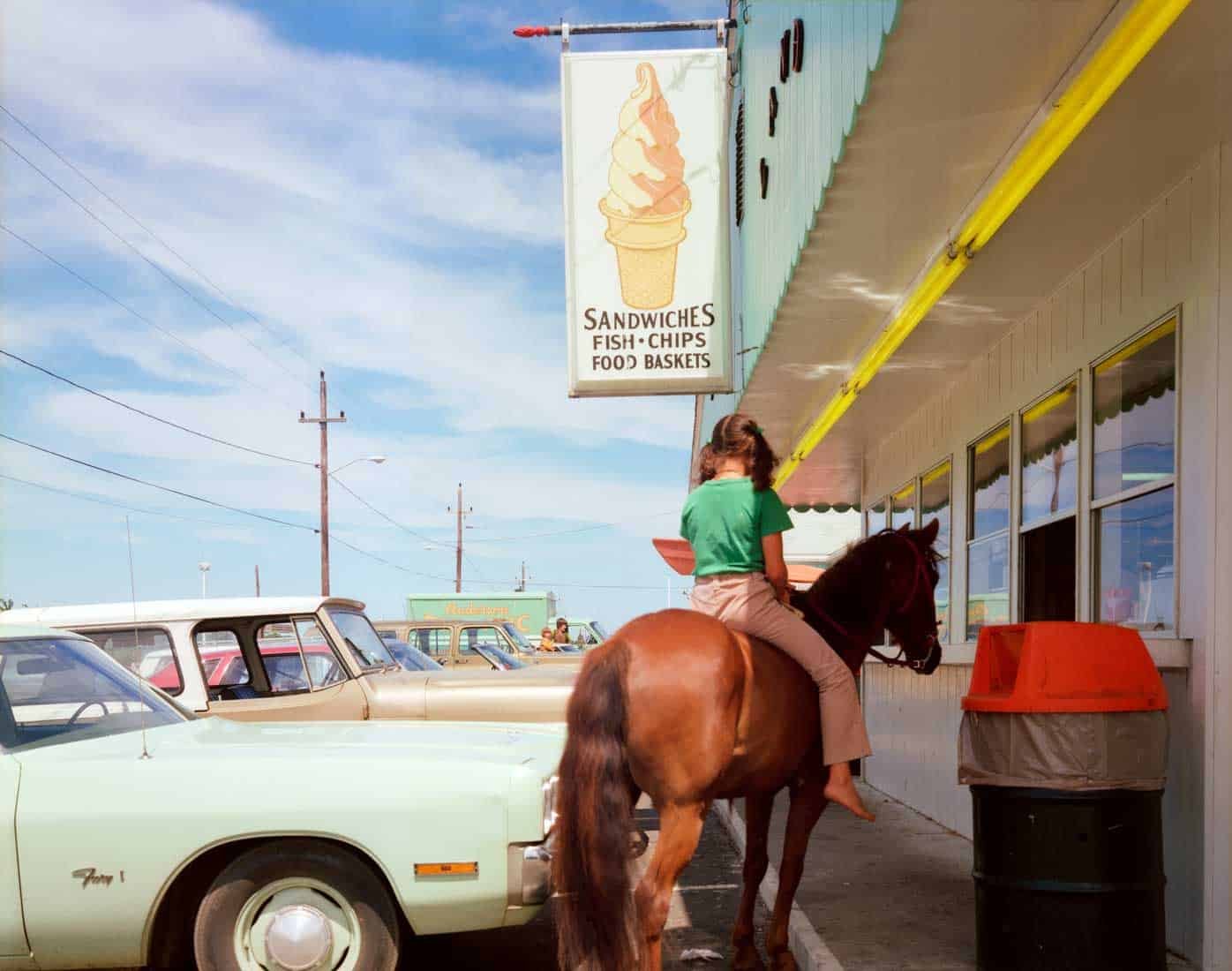
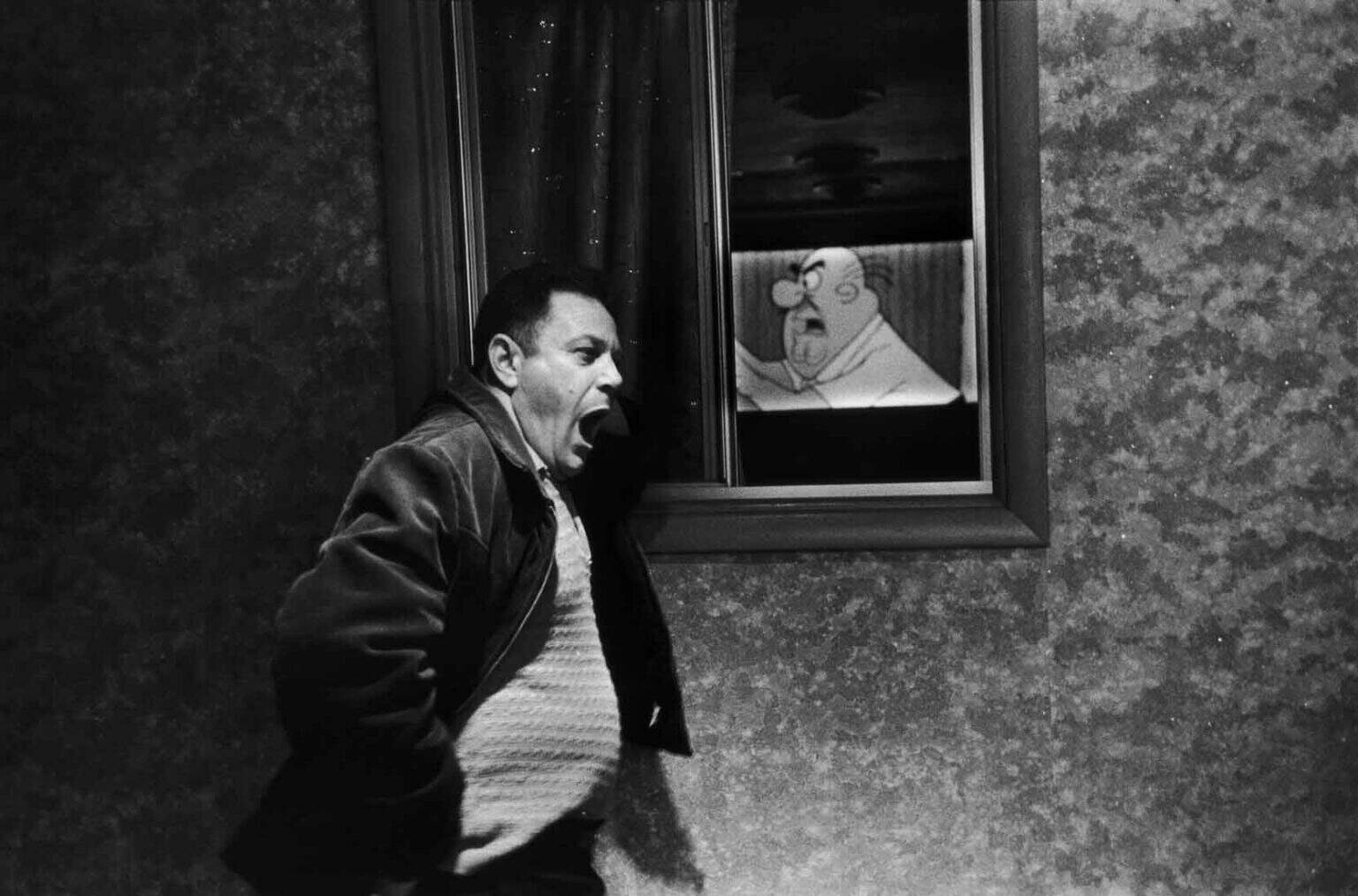
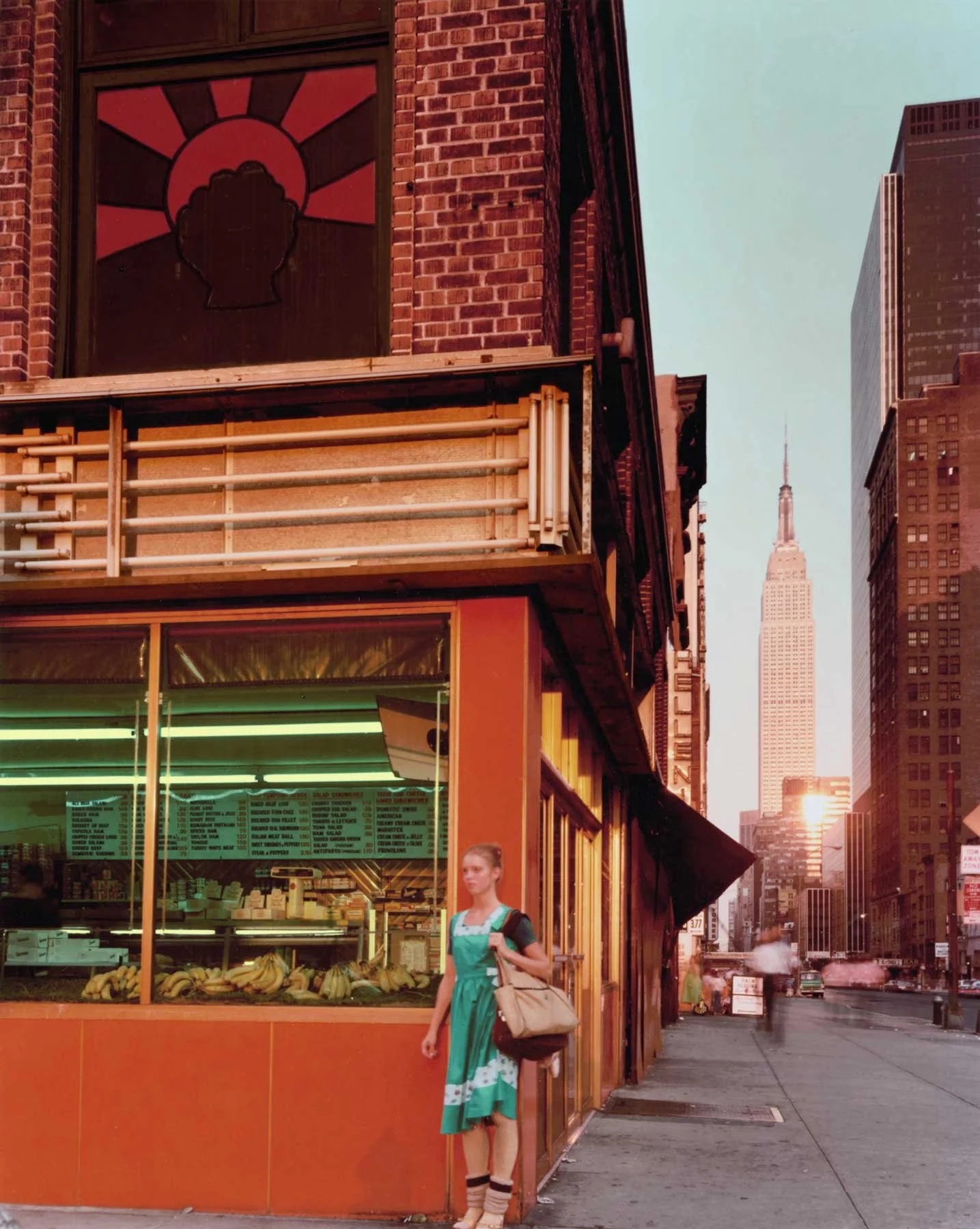
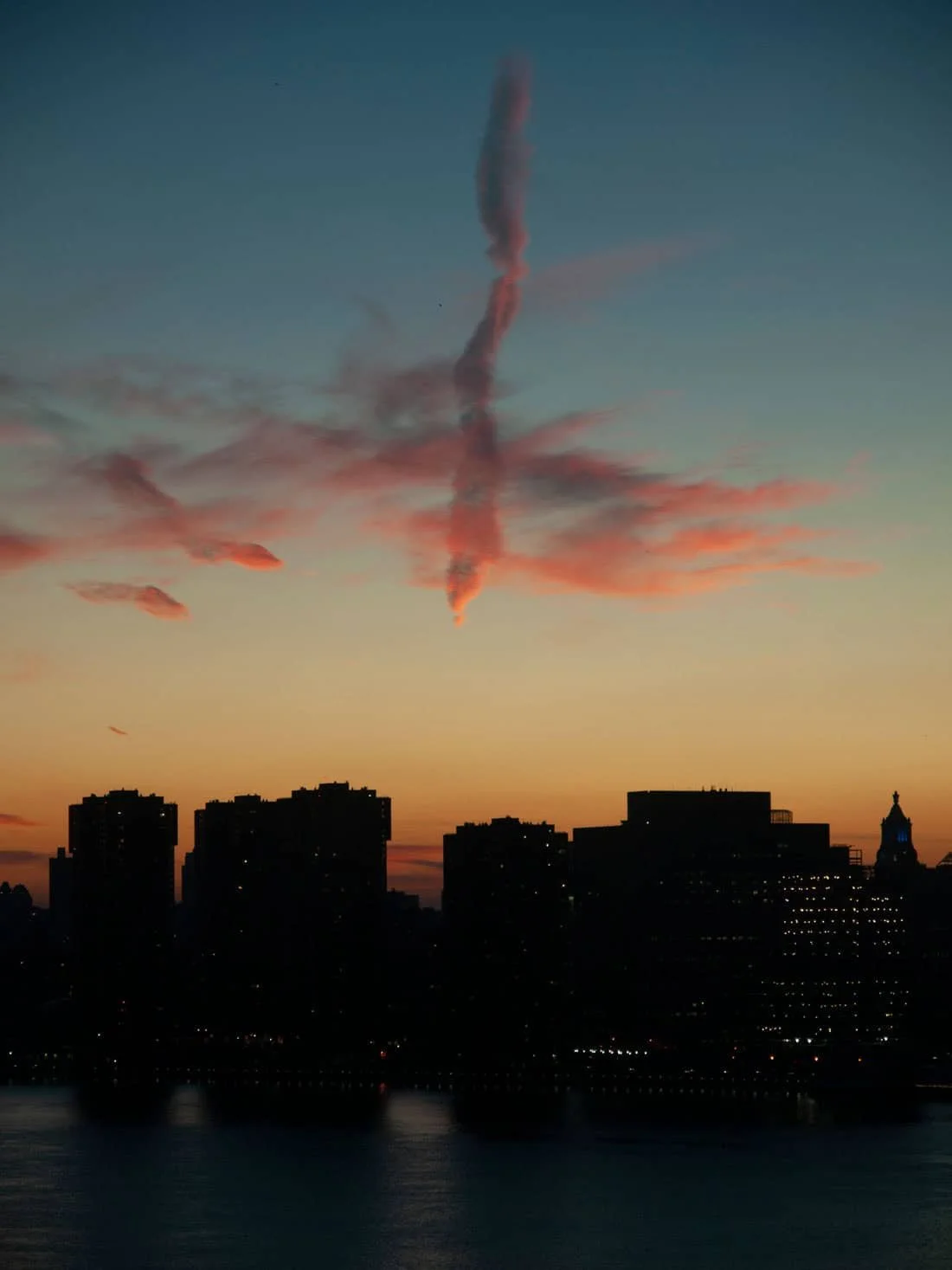
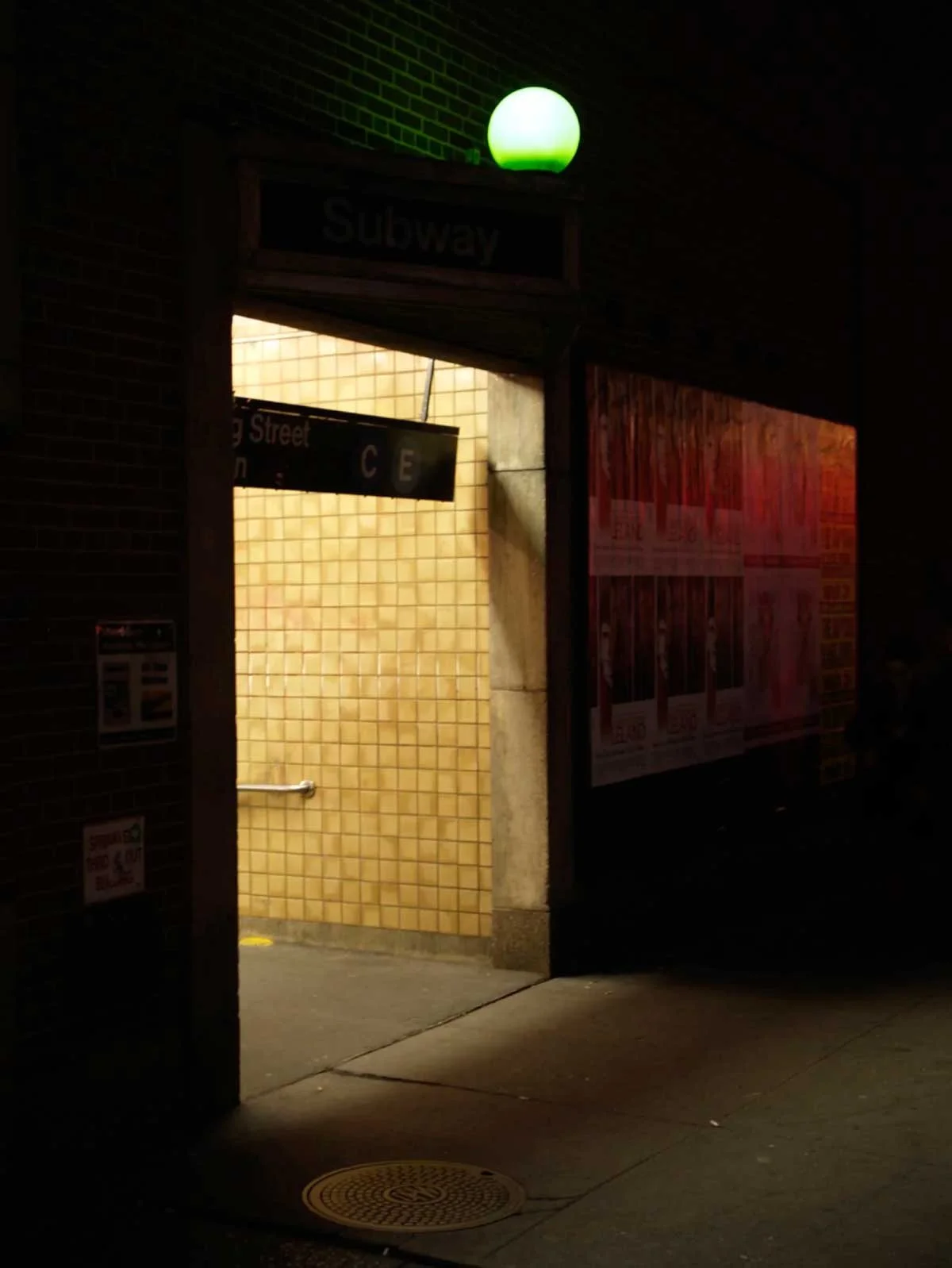
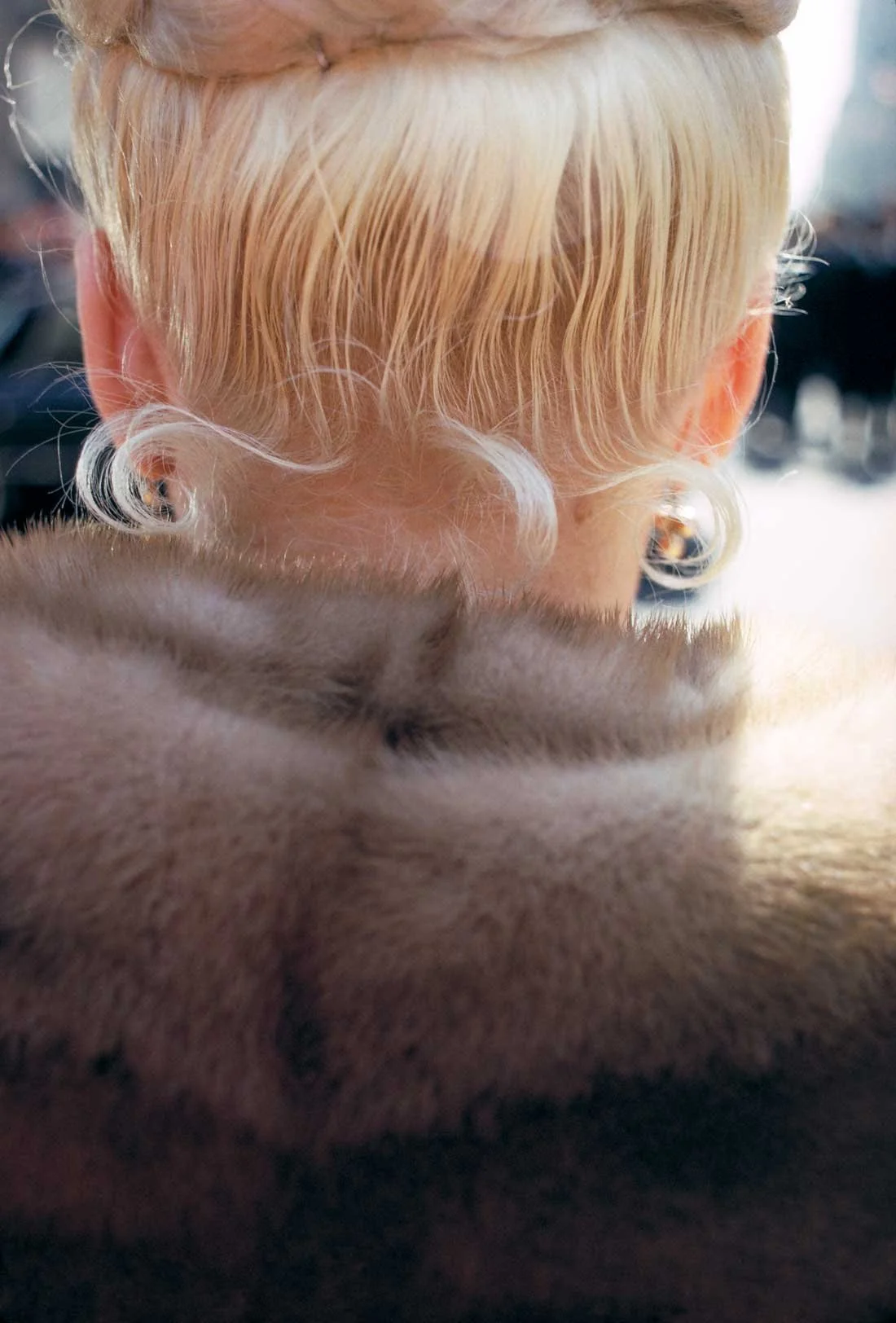
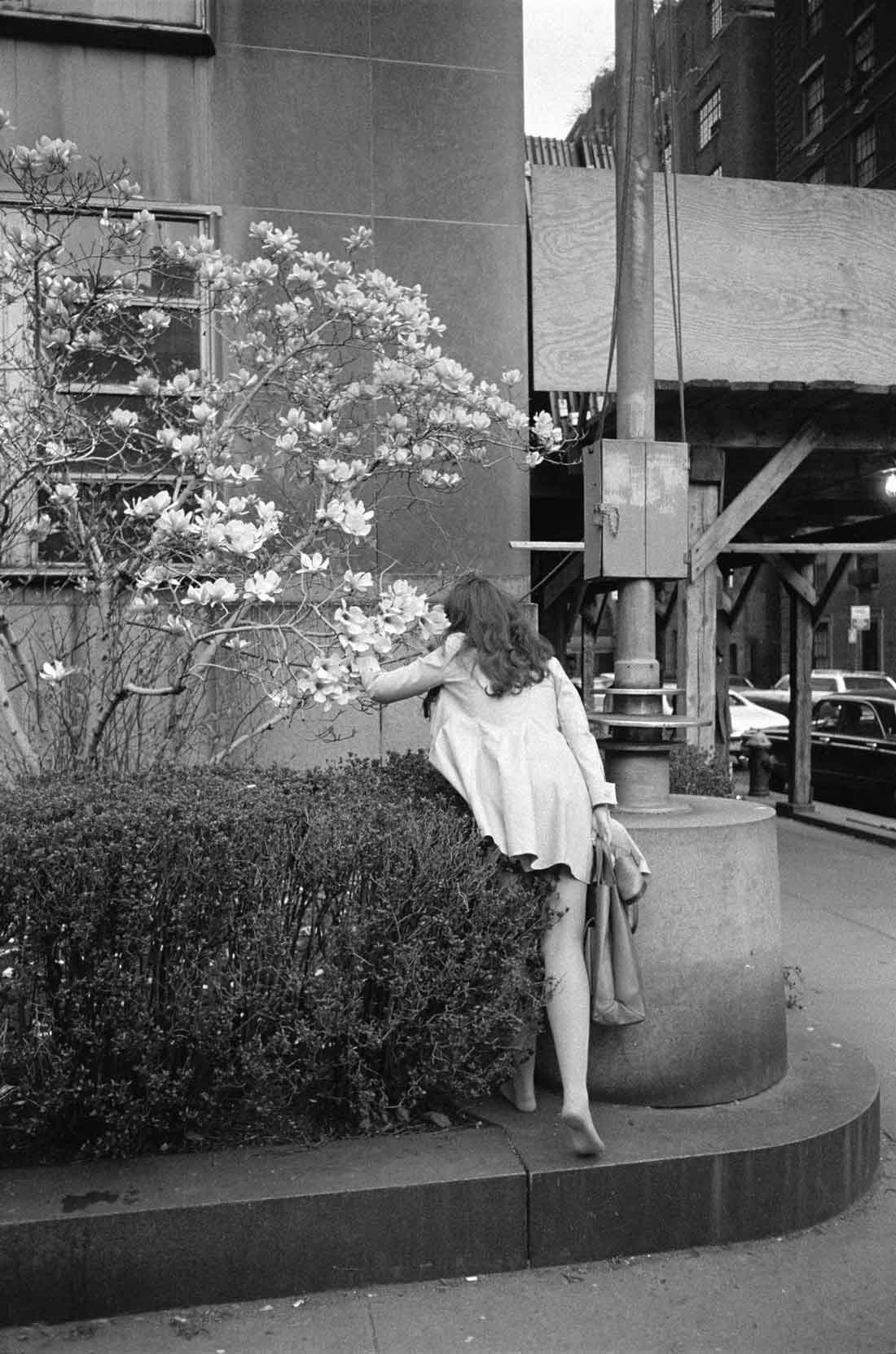
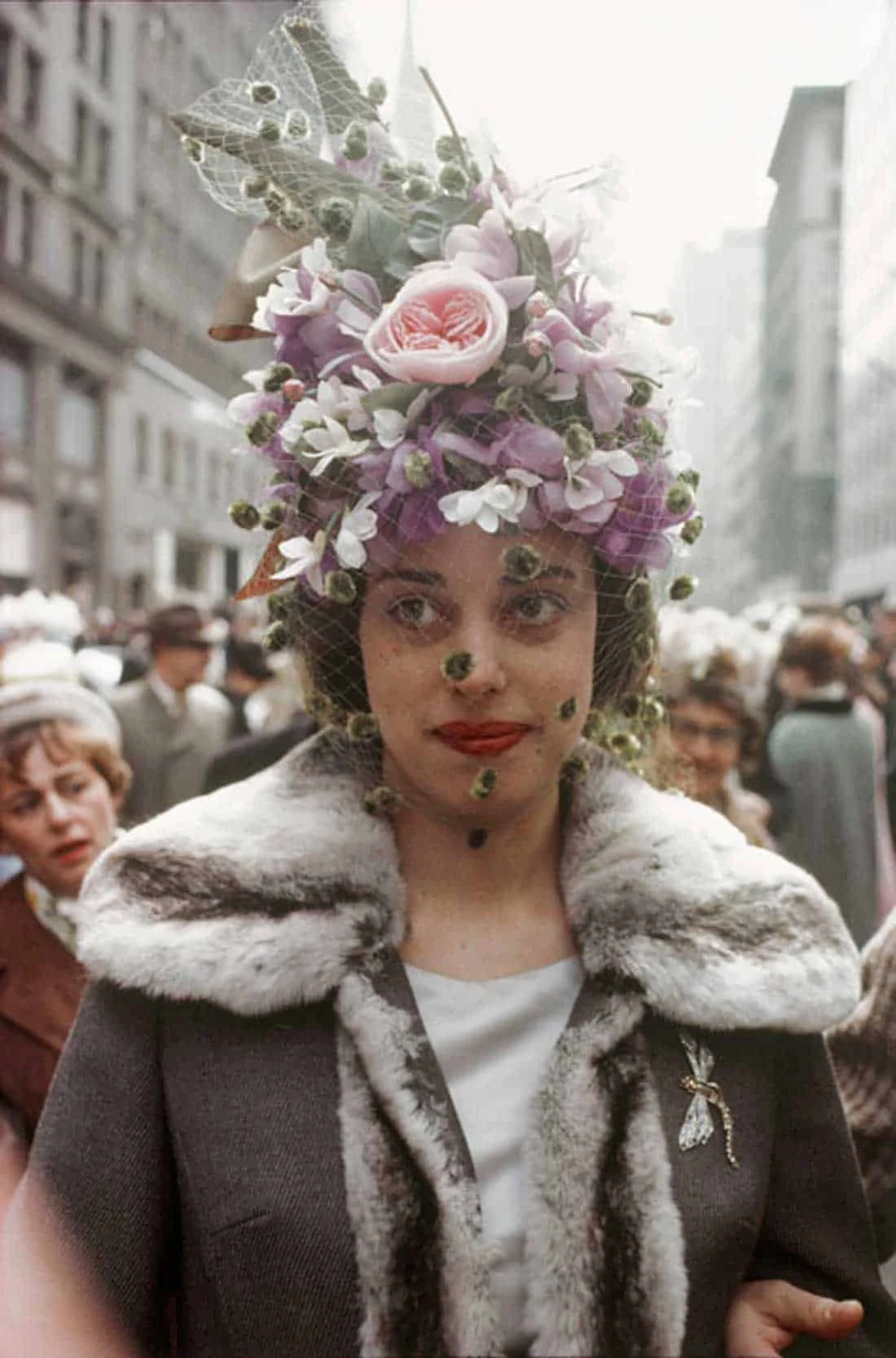
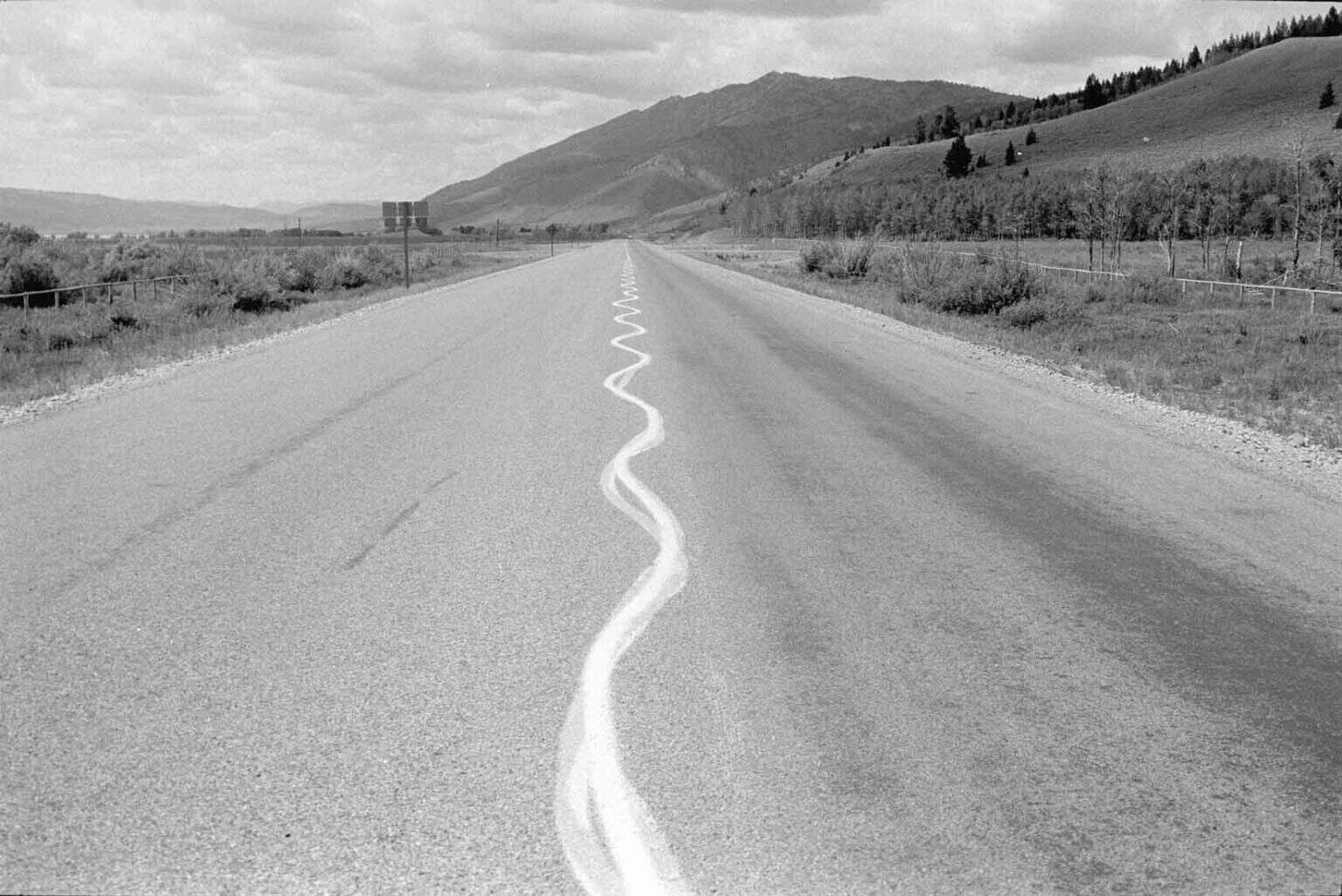
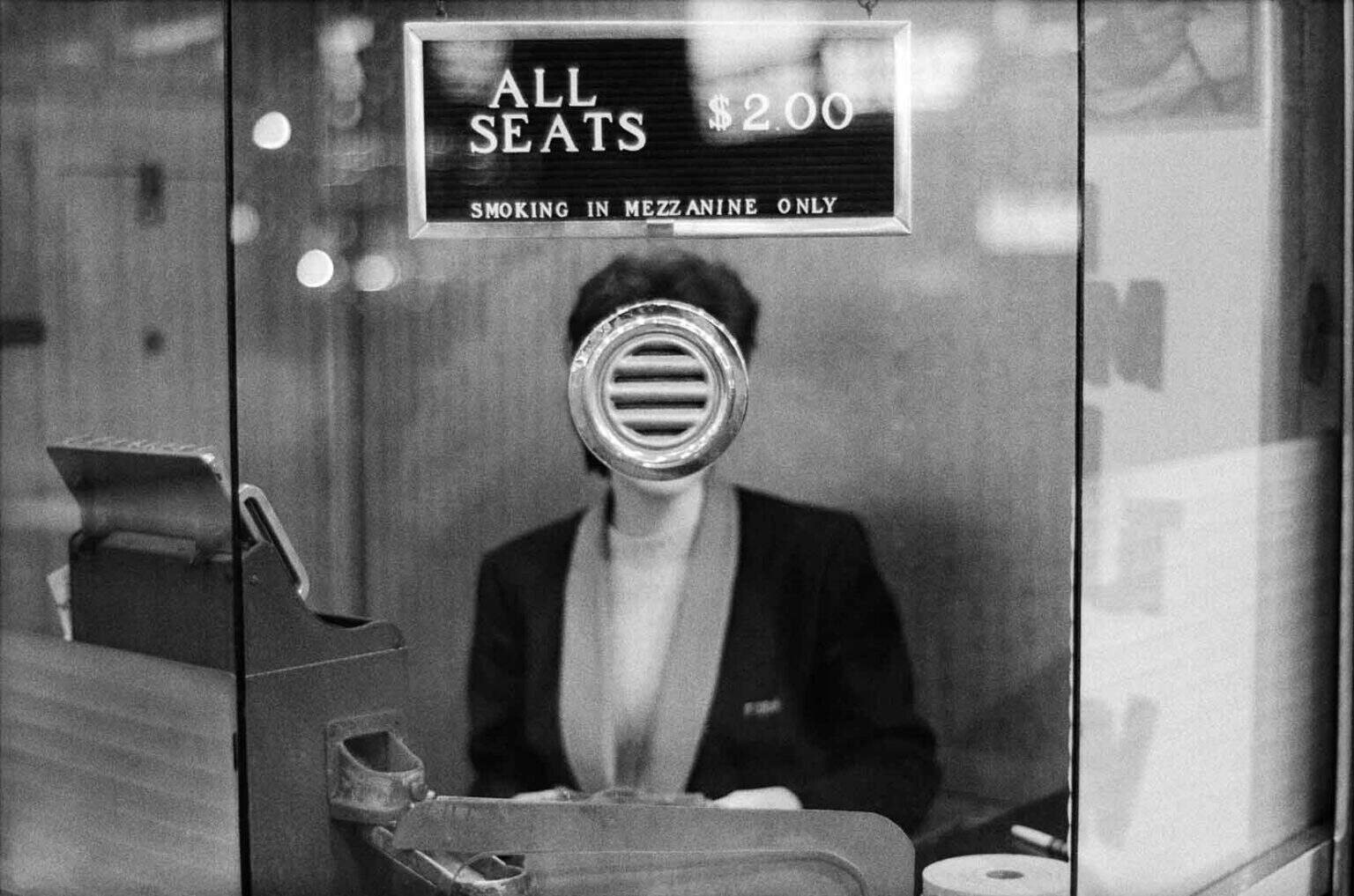
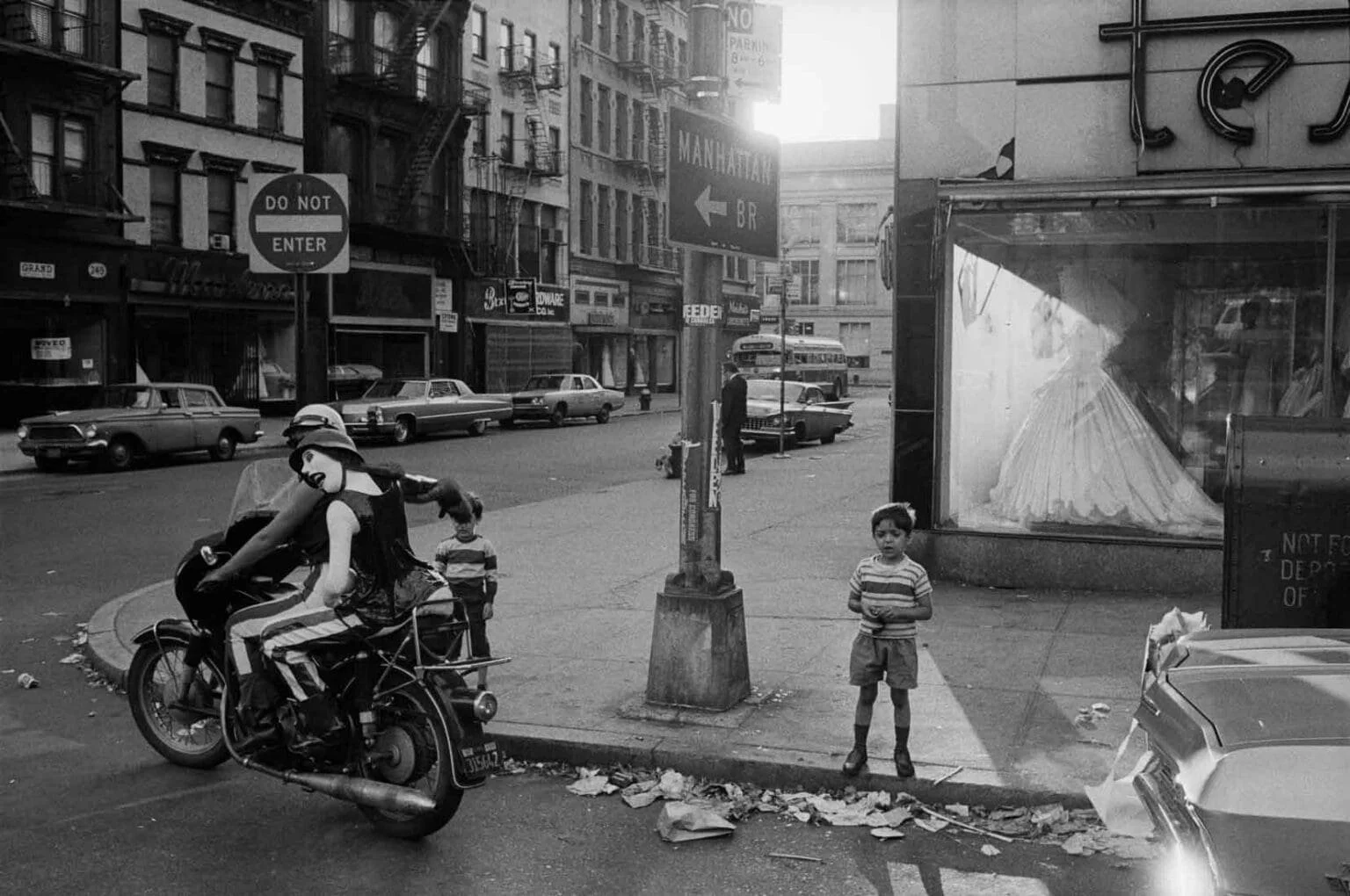
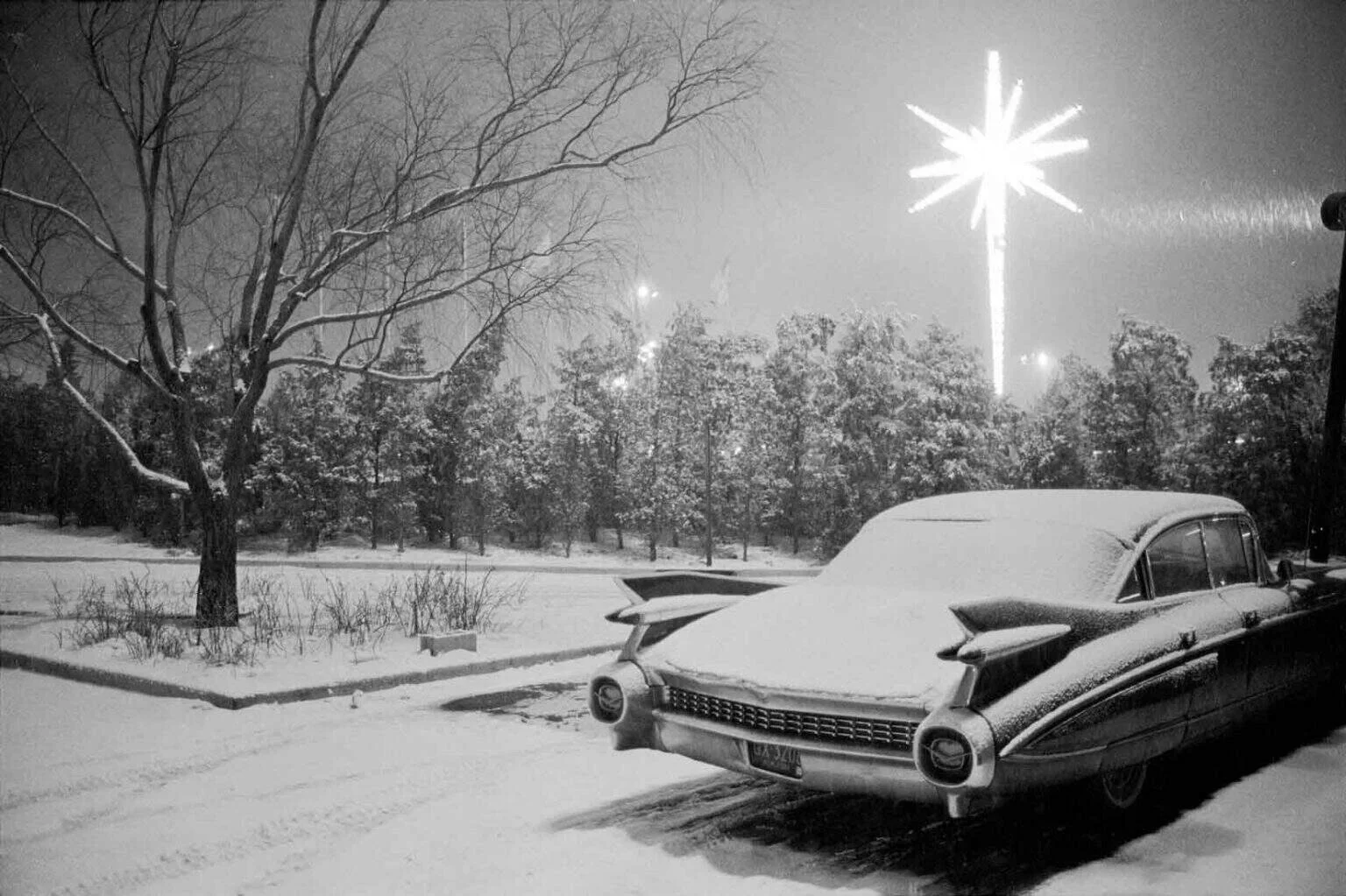
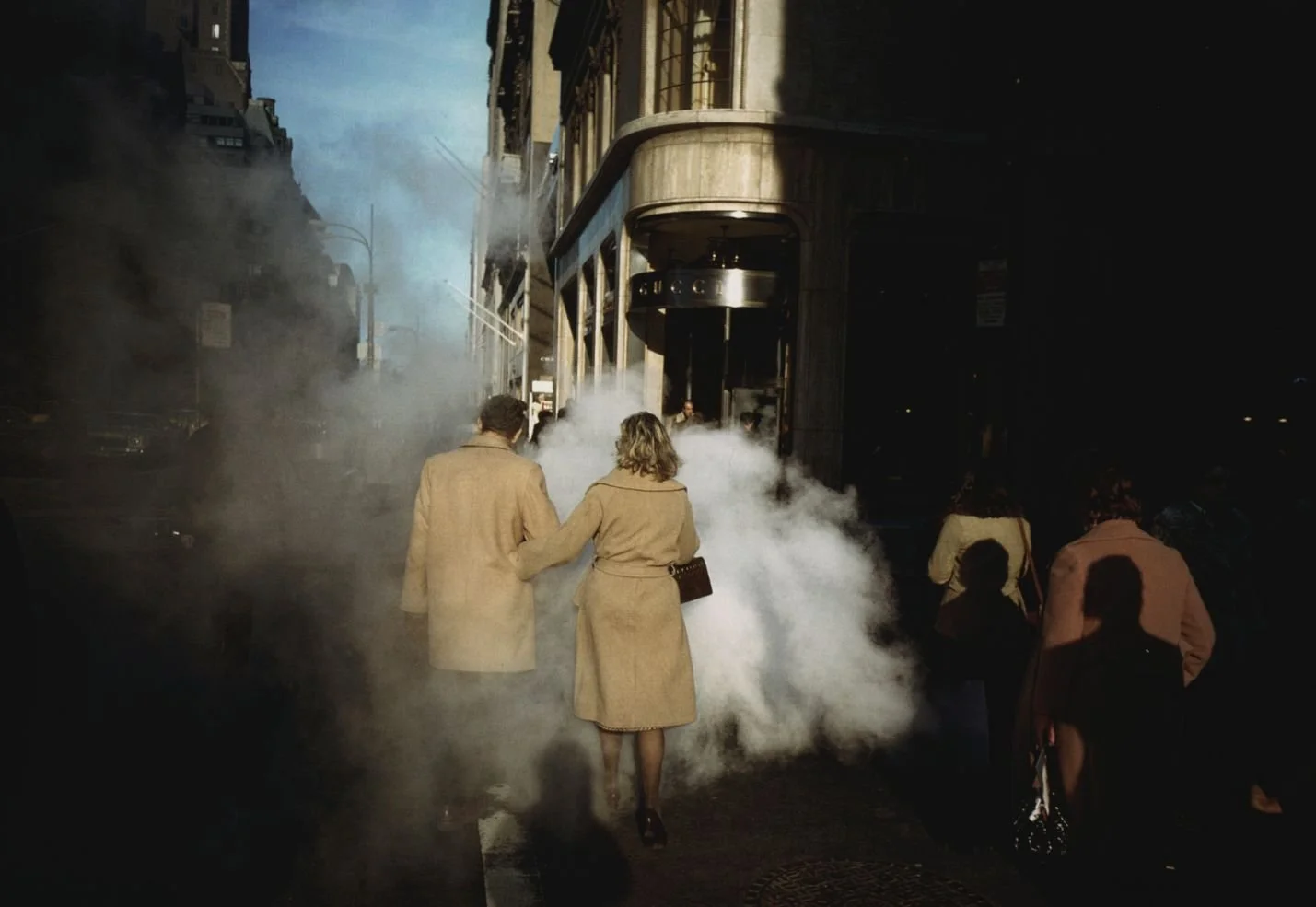
Meyerowitz’ photographs from the 1960s depicted the freneticism and the inertia of
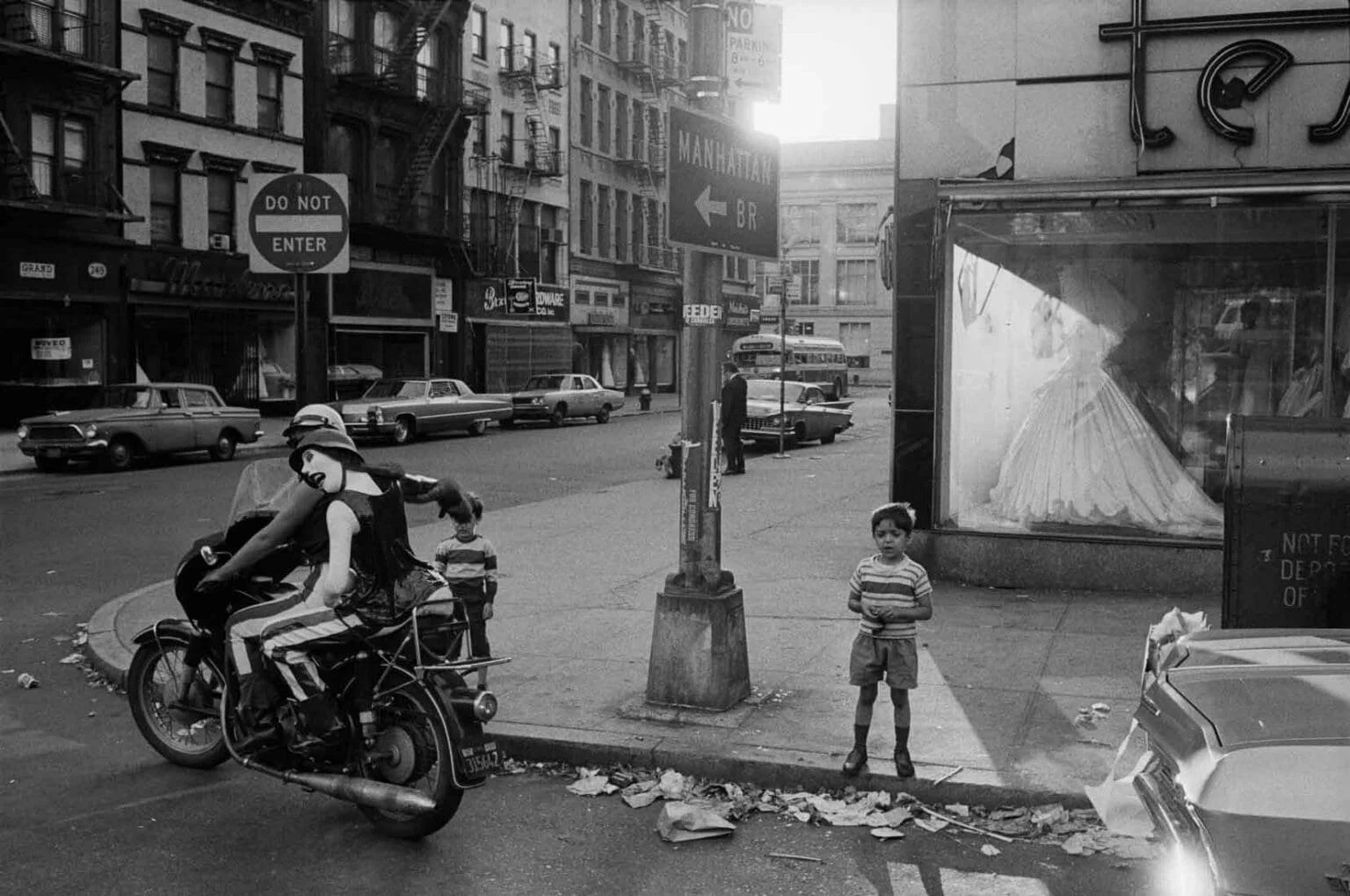
New York’s streets. Visual matter is often multi-layered within the photographer’s vision
- the boy backlit by a ray of sunlight is a visual precursor to the translucent wedding
dress in a shop window, the life-size doll riding pillion on a motorcycle and the suited
man lingering by a parked Cadillac. The photographer’s alertness to phenomena,
particularly those which he describes as ‘nearly invisible’, generates both a wit and
a sensitivity to the world as it reveals itself to him. What Meyerowitz searched for in
his explorations of the street were fleeting moments of harmony within the chaos,
the same moments of unlikely clarity revealed in the music of Meyerowitz’ New York
contemporaries Sun Ra, Pharoah Sanders, and Miles Davis.
There’s an instantaneity to these early photographs, attested to by slanting horizons
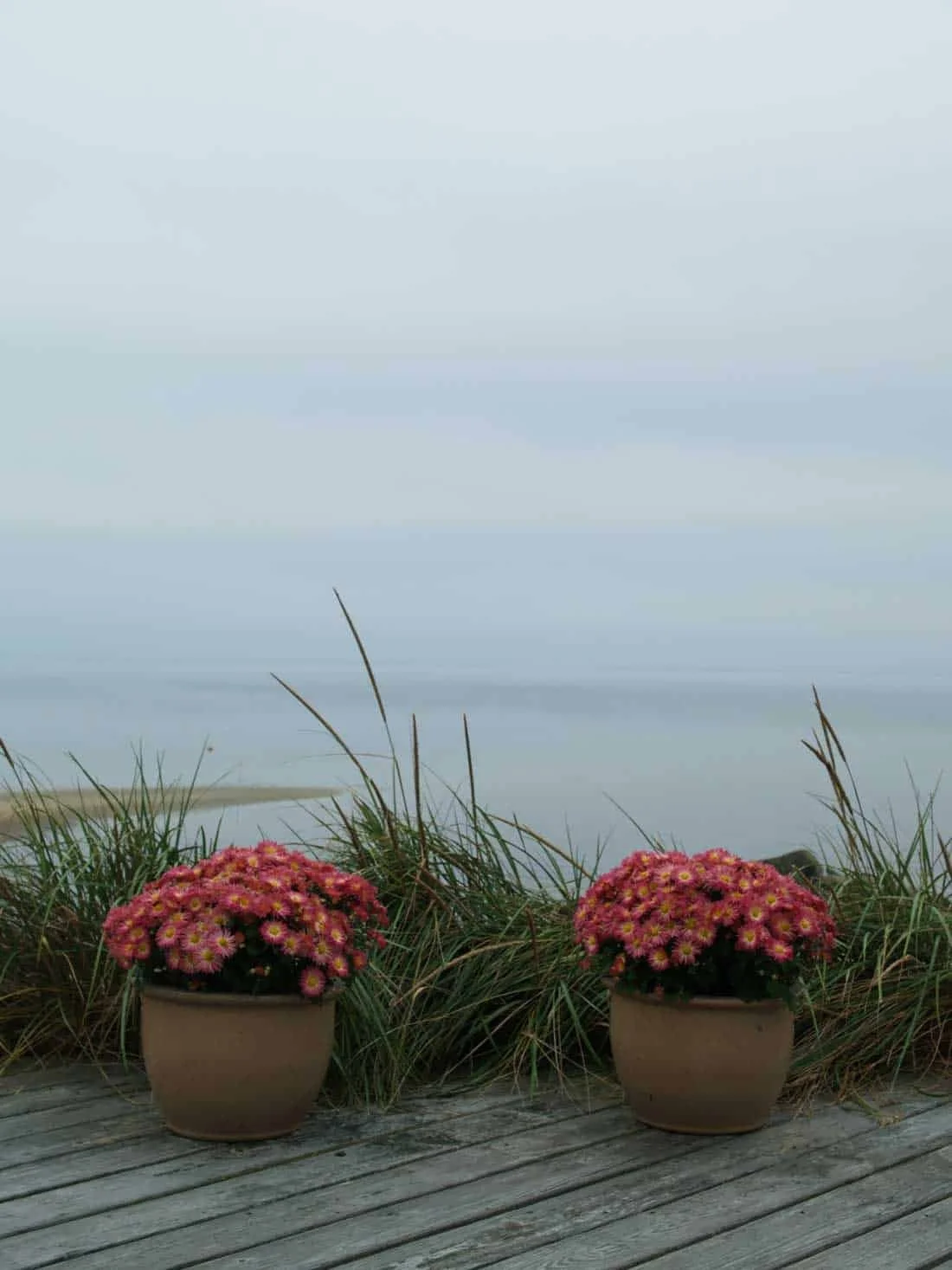
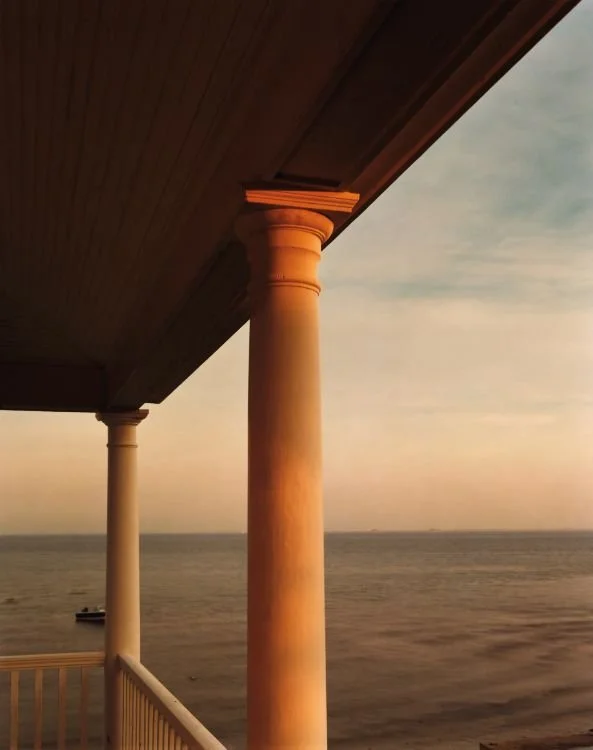
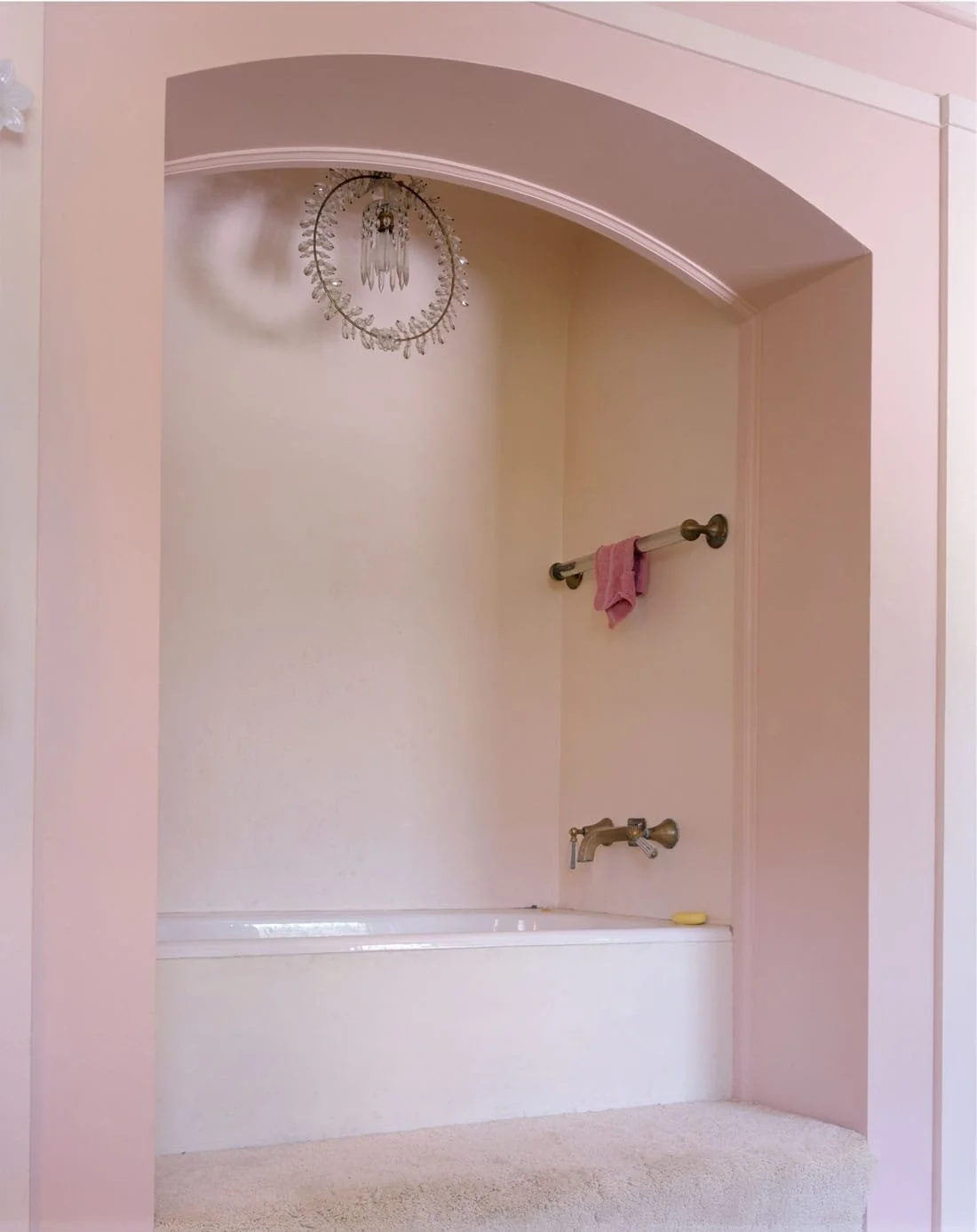
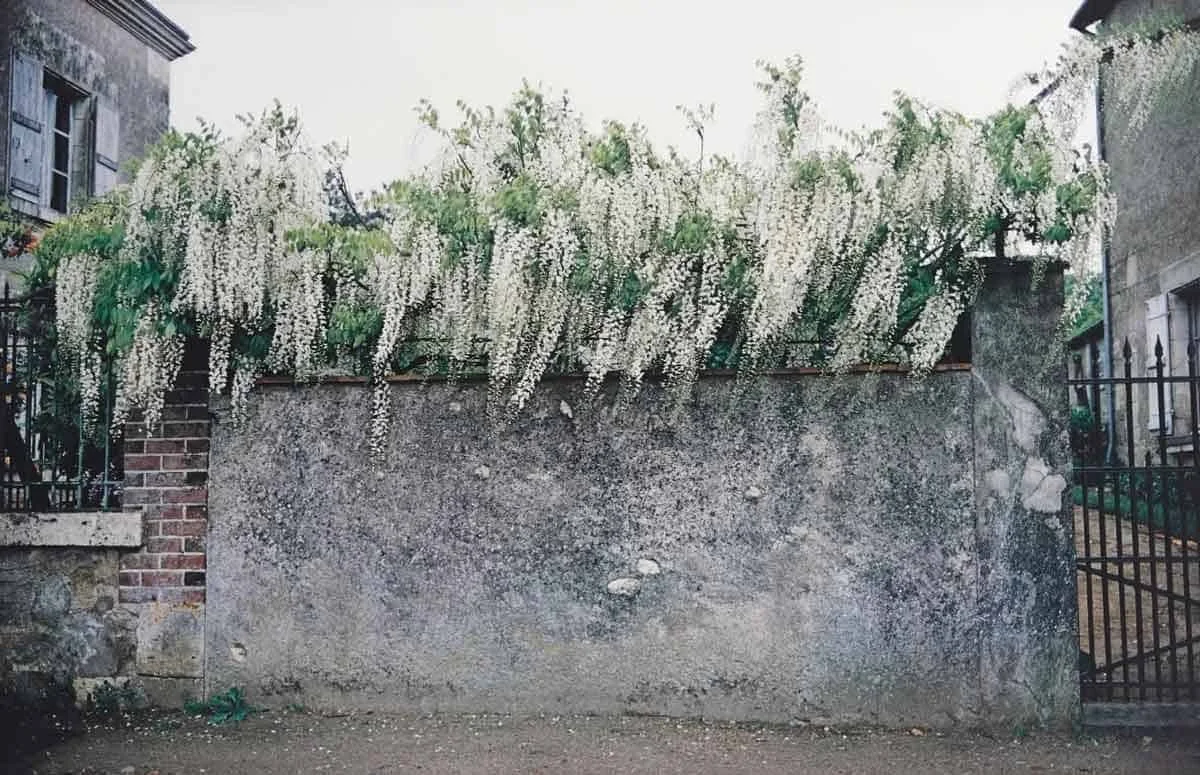
and the candour of the people depicted. However, in his photobook Cape Light,
published 1978, Meyerowitz moved away from the energy and velocity of New York
and his 35mm camera. He instead adopted a slower approach – with an 8x10 inch
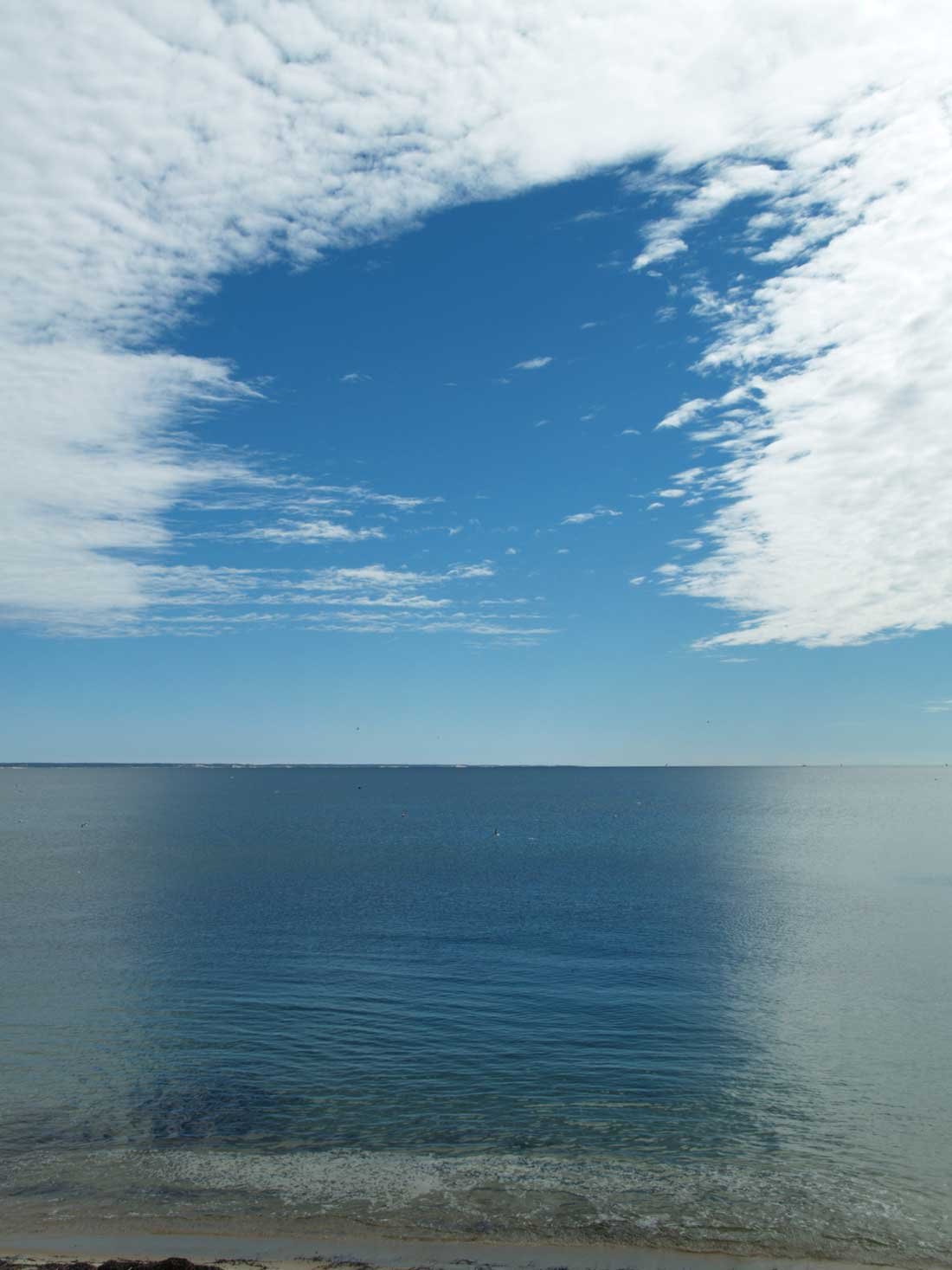
view camera he turned his lens towards swathes of undisturbed horizon and quiet
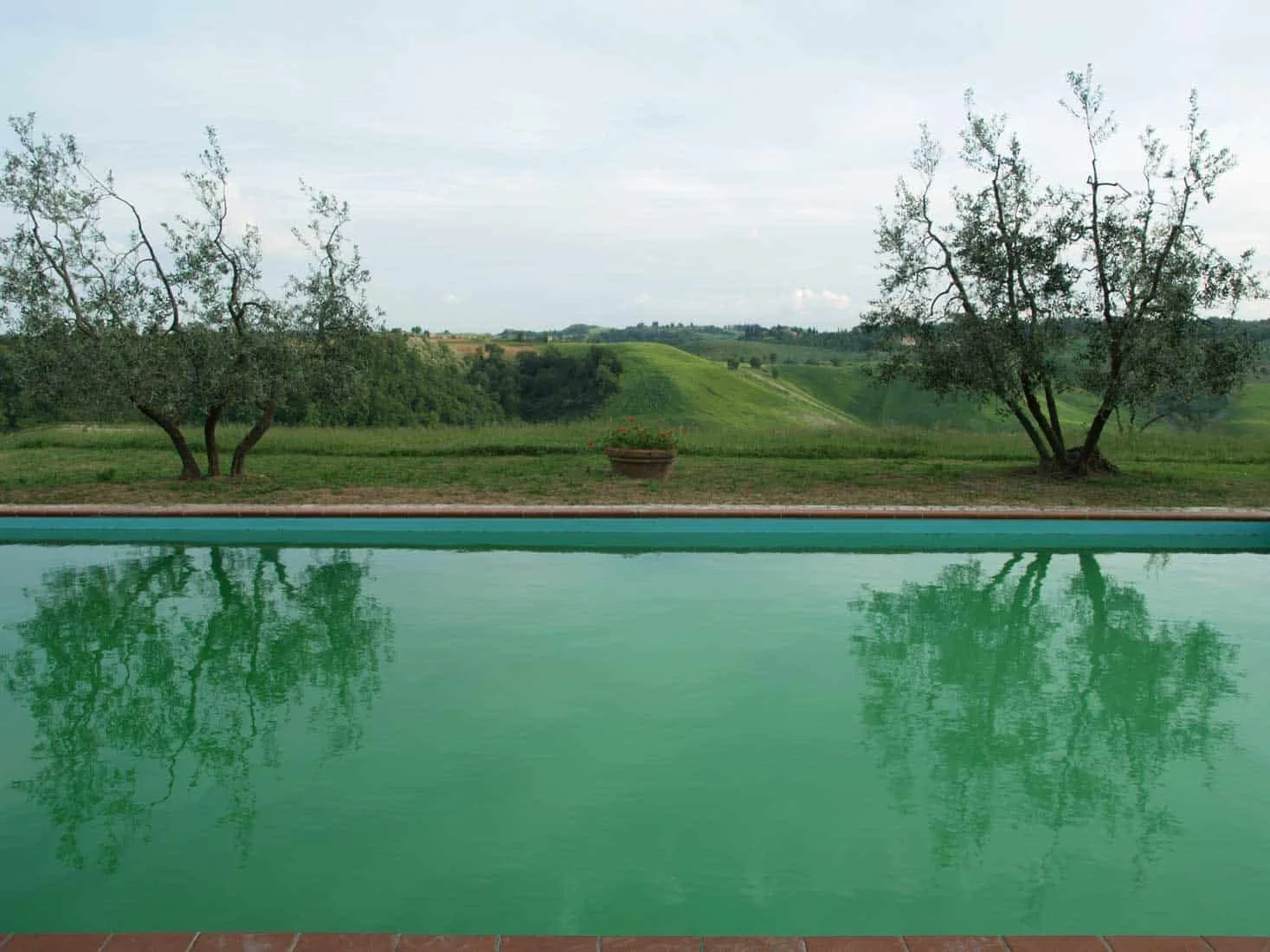
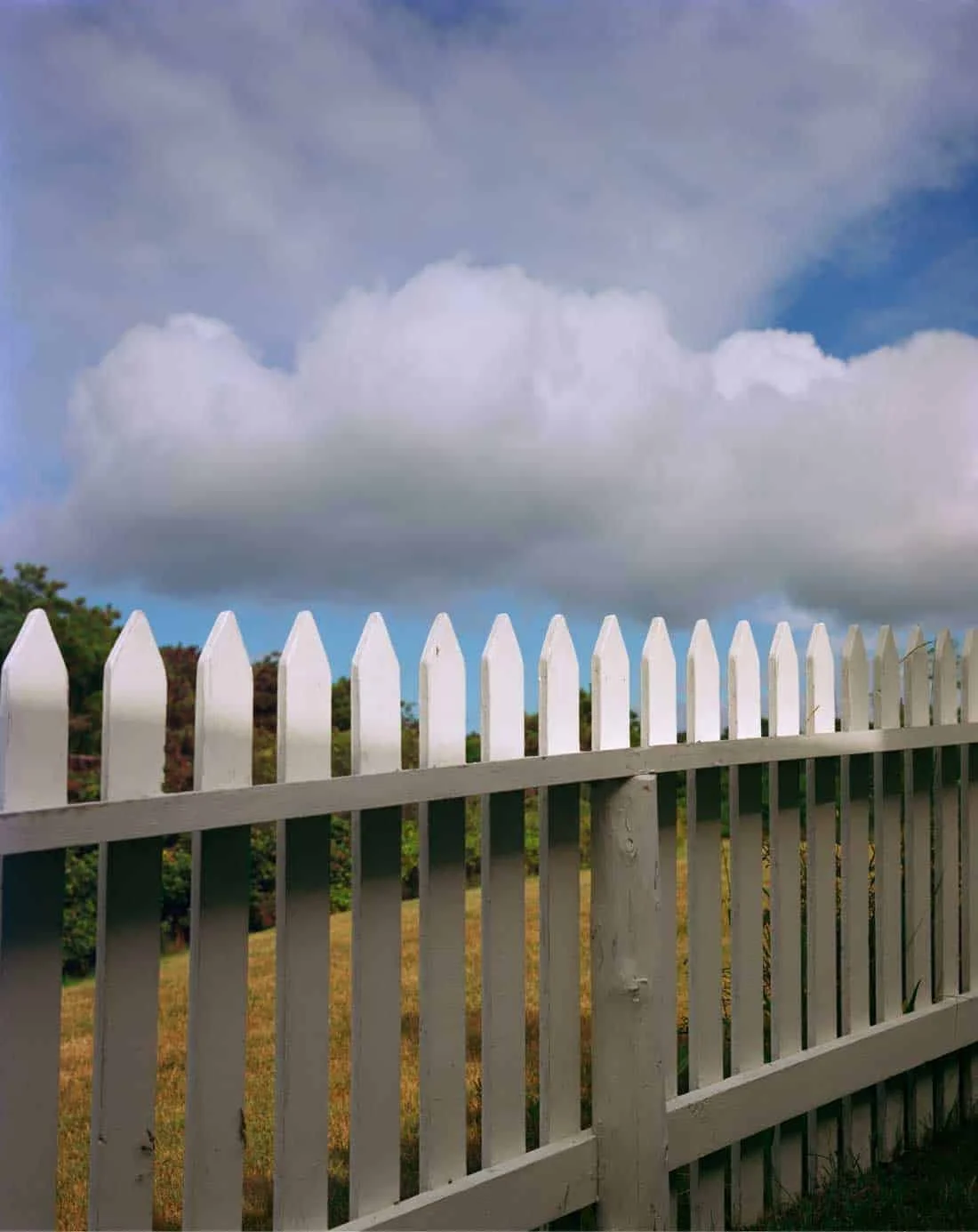
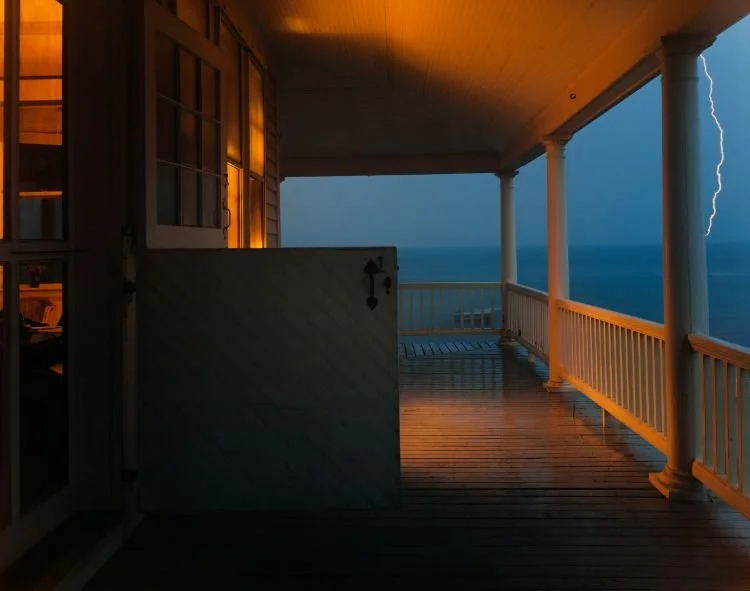
domestic interiors, making colour and form his subjects. The exhibited photographs
from this period are characterised by their meditative qualities, their subtlety, and their
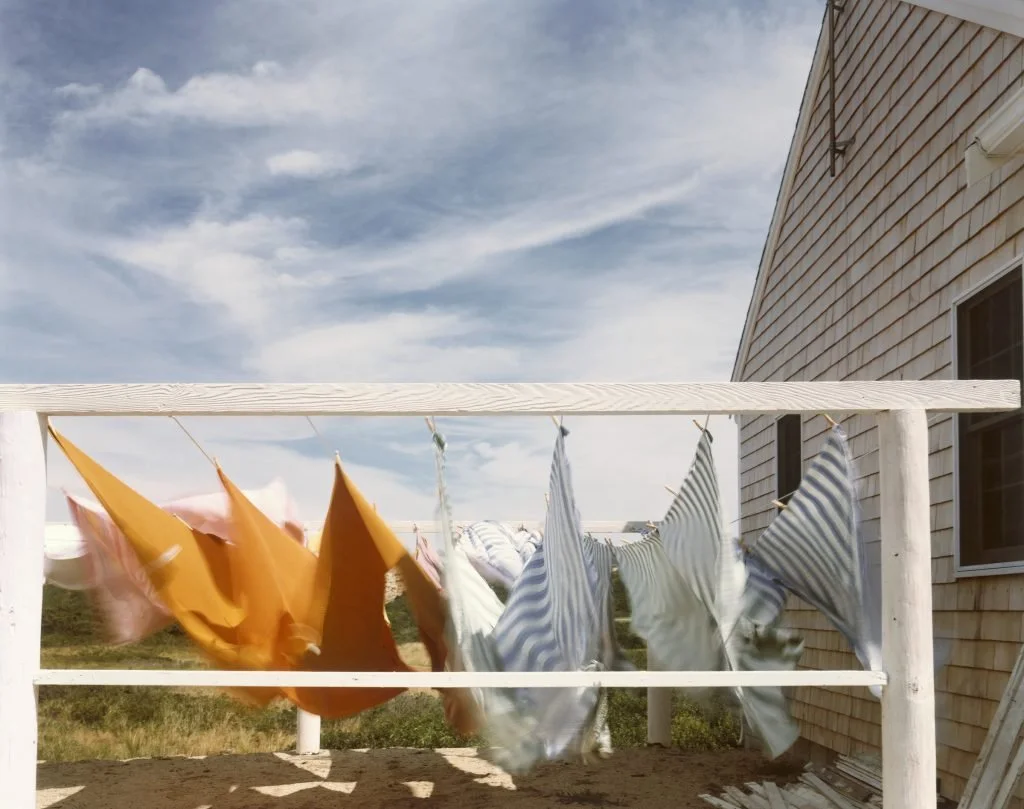
meticulously constructed compositions. For example, the photographer explored
the interplay between colour and wind in hanging laundry and how that interaction
might be translated into a photograph. Evening light playing over still waters forms a
recurring motif – the jazz of the street has subsided here, replaced by something more
symphonic.
Although subsequent projects by the artist alter their tone, they often retain this
tranquility. But while much separates the various tones of Meyerowitz’ photographic
voice, his sensitivity to the appearance of the world remains. Curiosity and wonder
over the peculiarities of vision and the world itself cause the photographer to find in
the near invisibility of habitual perception a strain of sublimity, and something that
surprises him. Meyerowitz draws from the poet Robert Frost, particularly his 1939 essay
The Figure of a Poem, in which the poet writes ‘No surprise for the writer, no surprise
for the reader. For me the initial delight is in the surprise of remembering something I
didn’t know I knew.’
Born in New York, 1938, Joel Meyerowitz is widely acknowledged to be one of
the first photographers - amongst others such as William Eggleston and Stephen
Shore - to bring colour photography from the periphery to the centre of fine art
photography. Historically, monochromatic photography was considered the only
serious photographic medium, while colour was widely considered to be technically
inferior and aesthetically limiting - occupying the realm of advertising campaigns,
television, and personal holiday photographs. In defiance of this, Meyerowitz’ work
demonstrated how the medium allowed nuanced contemplation of form, composition,
and mood.
Info + opening times
Huxley-Parlour