
PM/AM
Areum Yang and Hwi Hahm
07.November.25 – 13.December.25
PM/AM Gallery presents Thinking of That Room, a two-person exhibition by New York–based artists Hwi Hahm and Areum Yang.
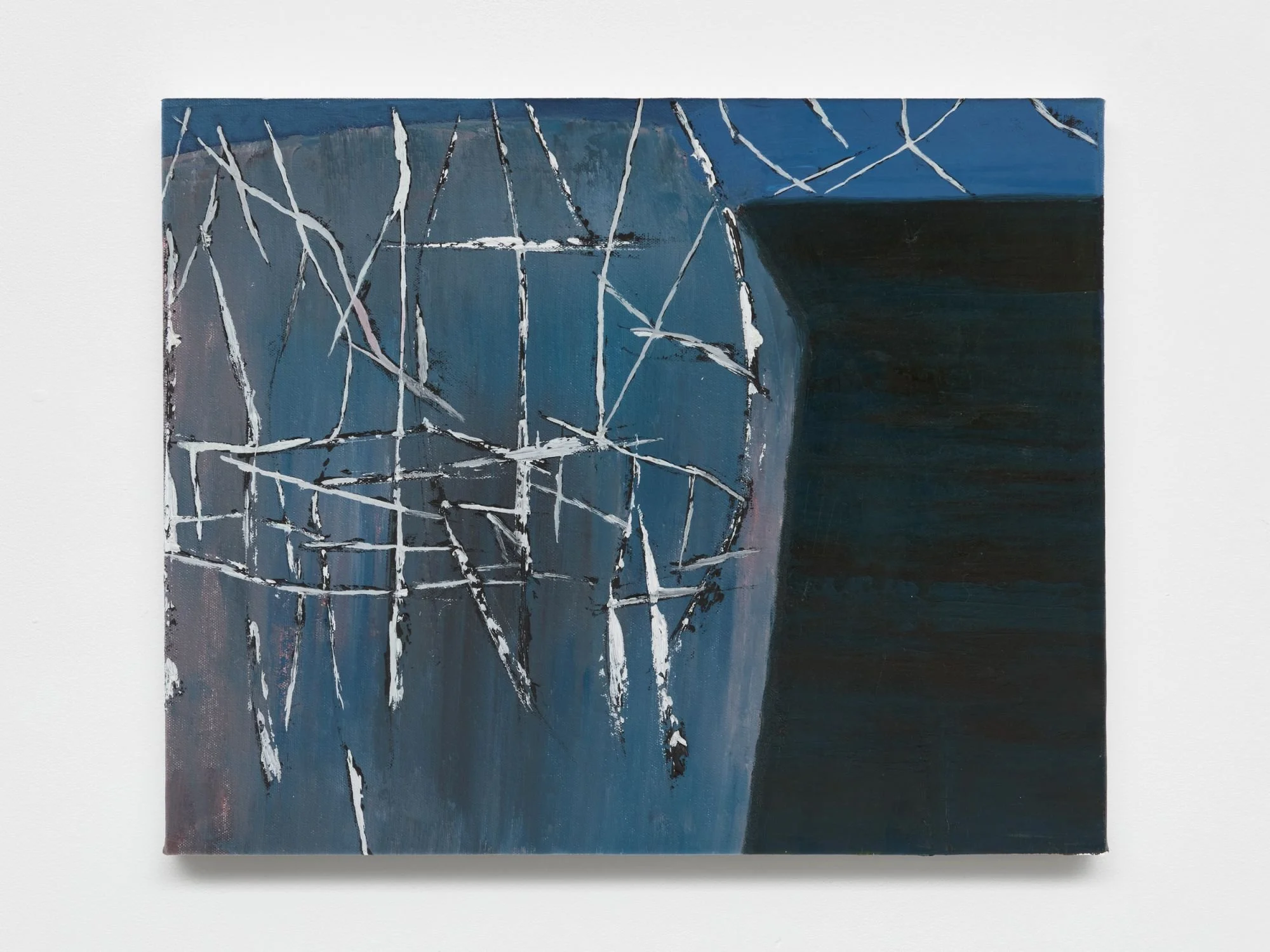
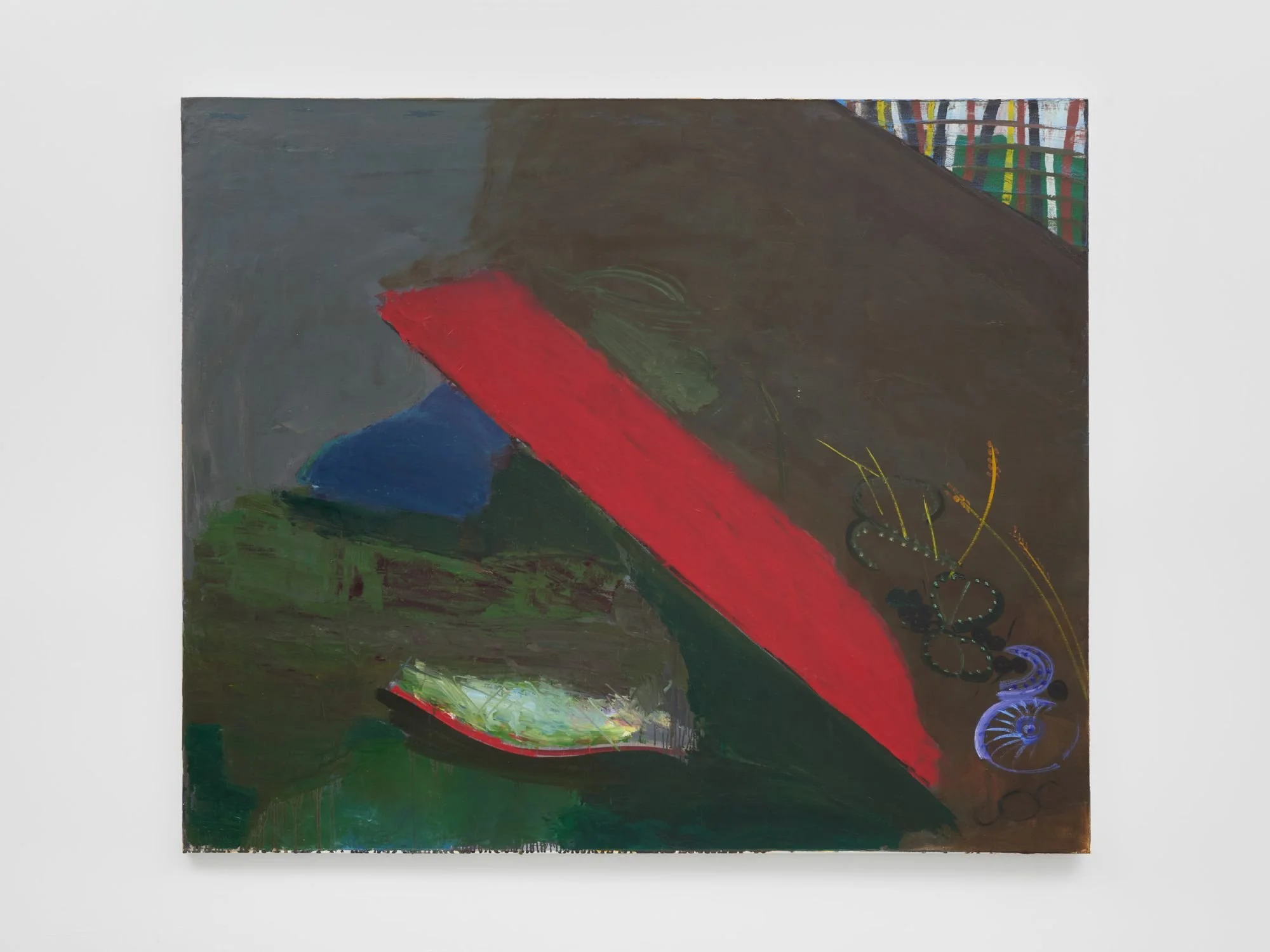
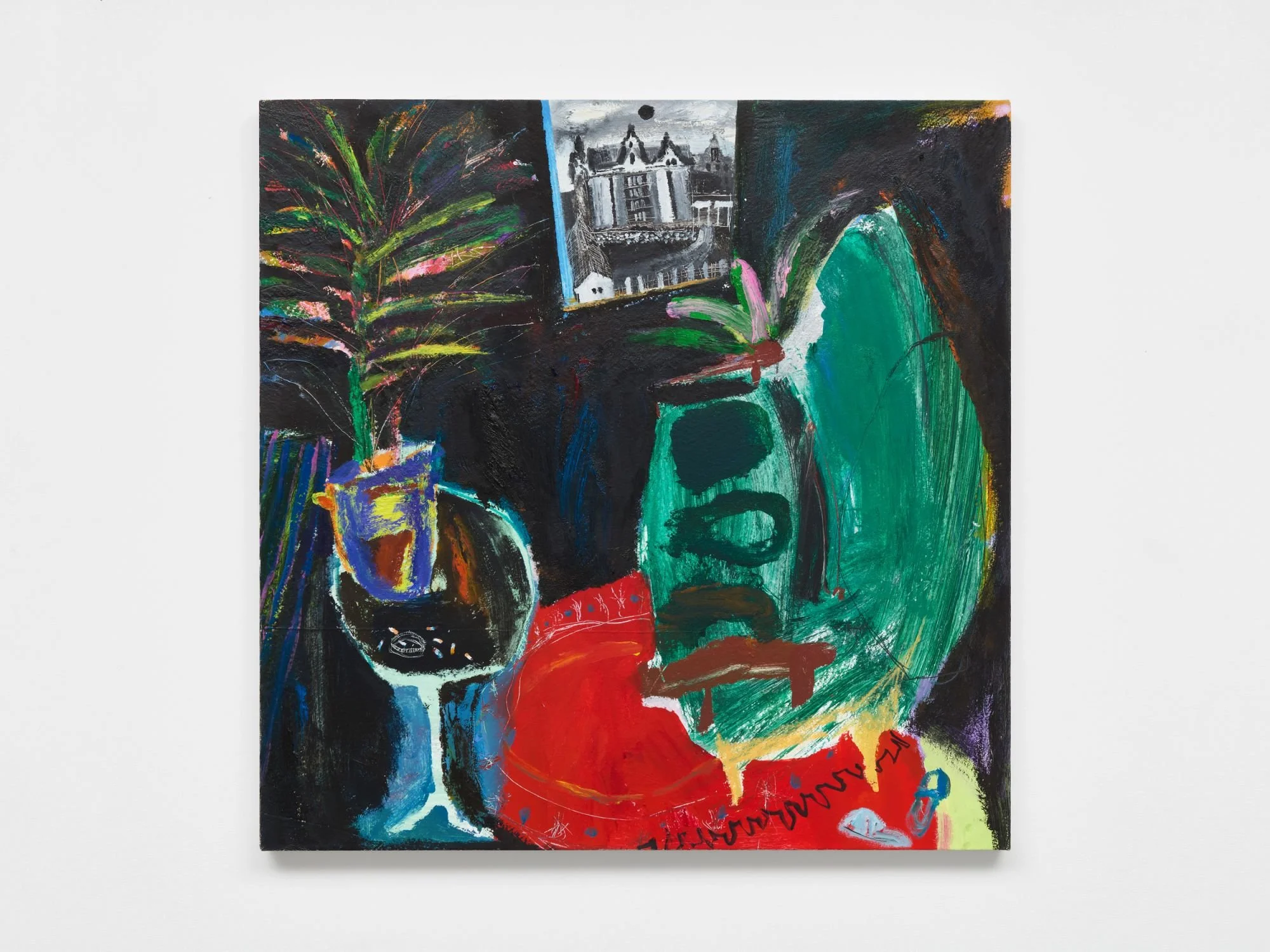
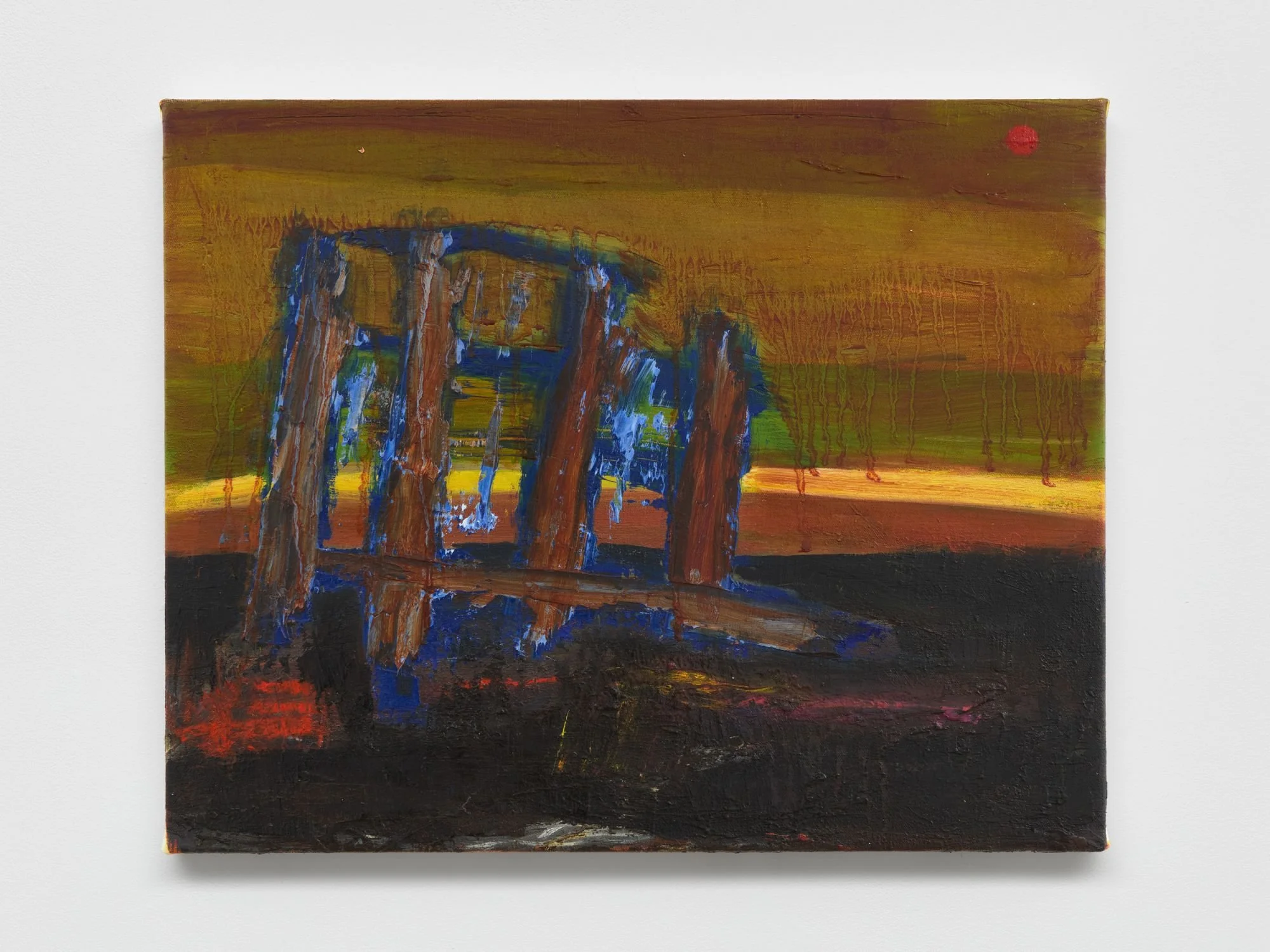

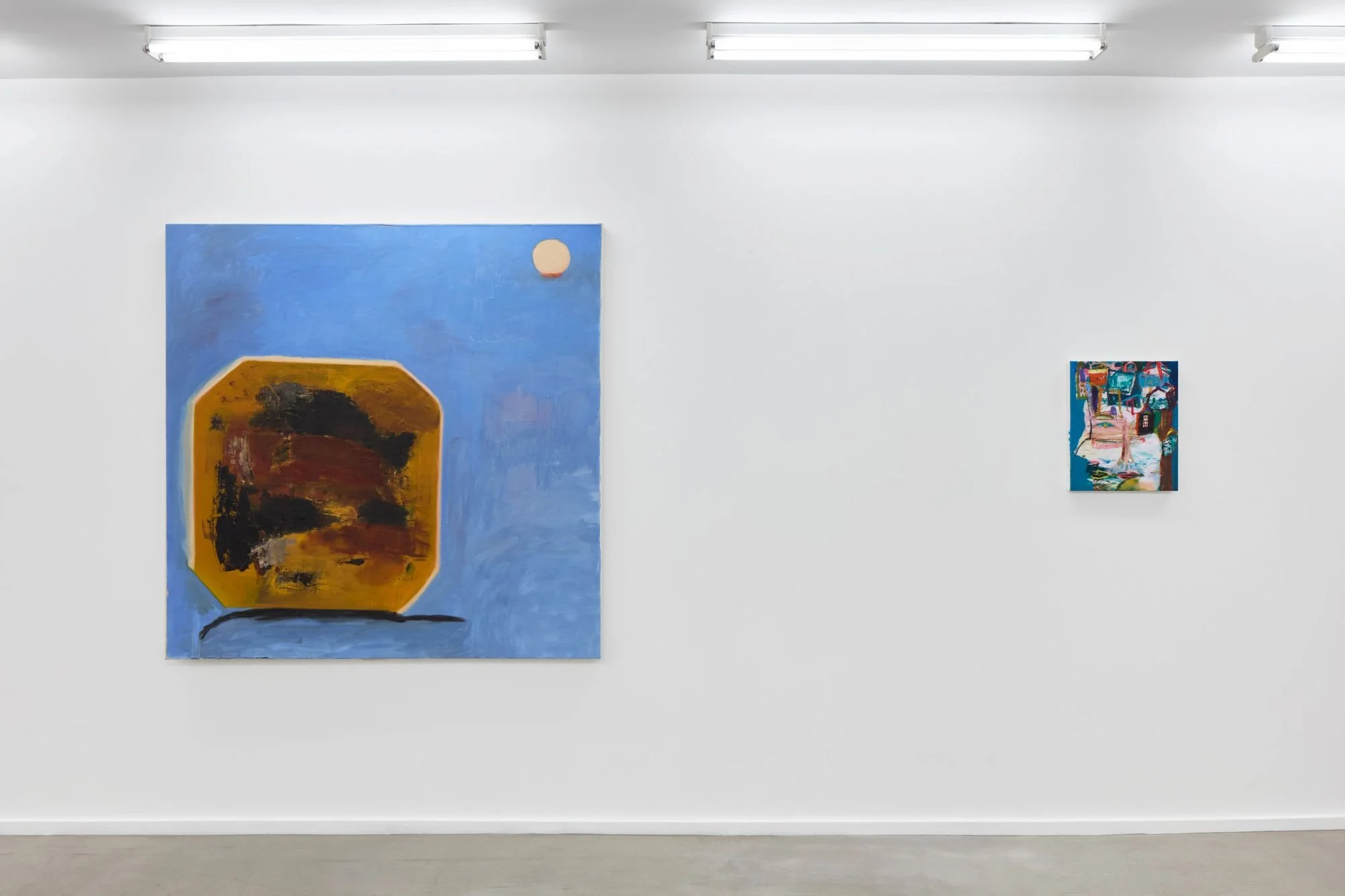
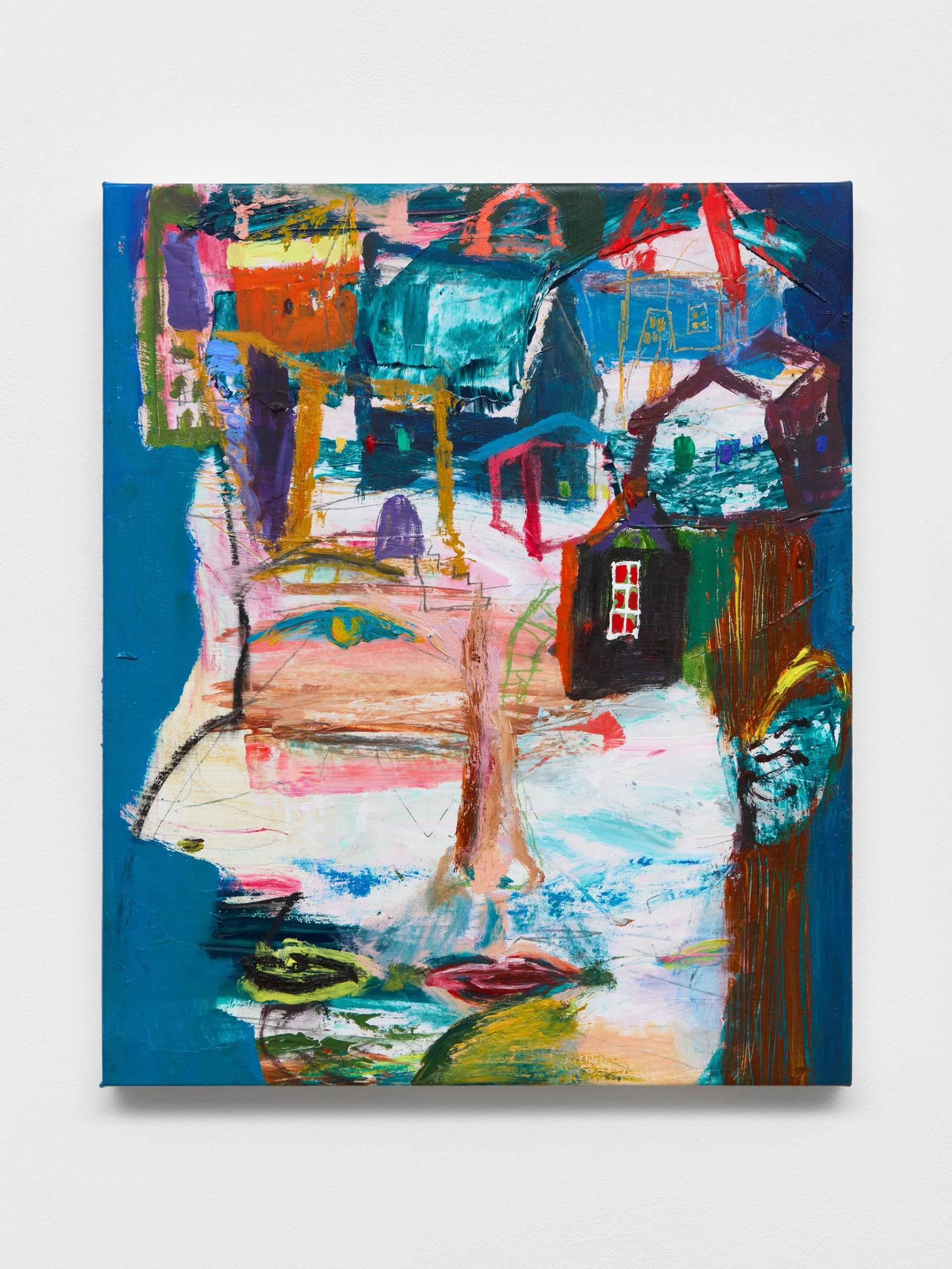
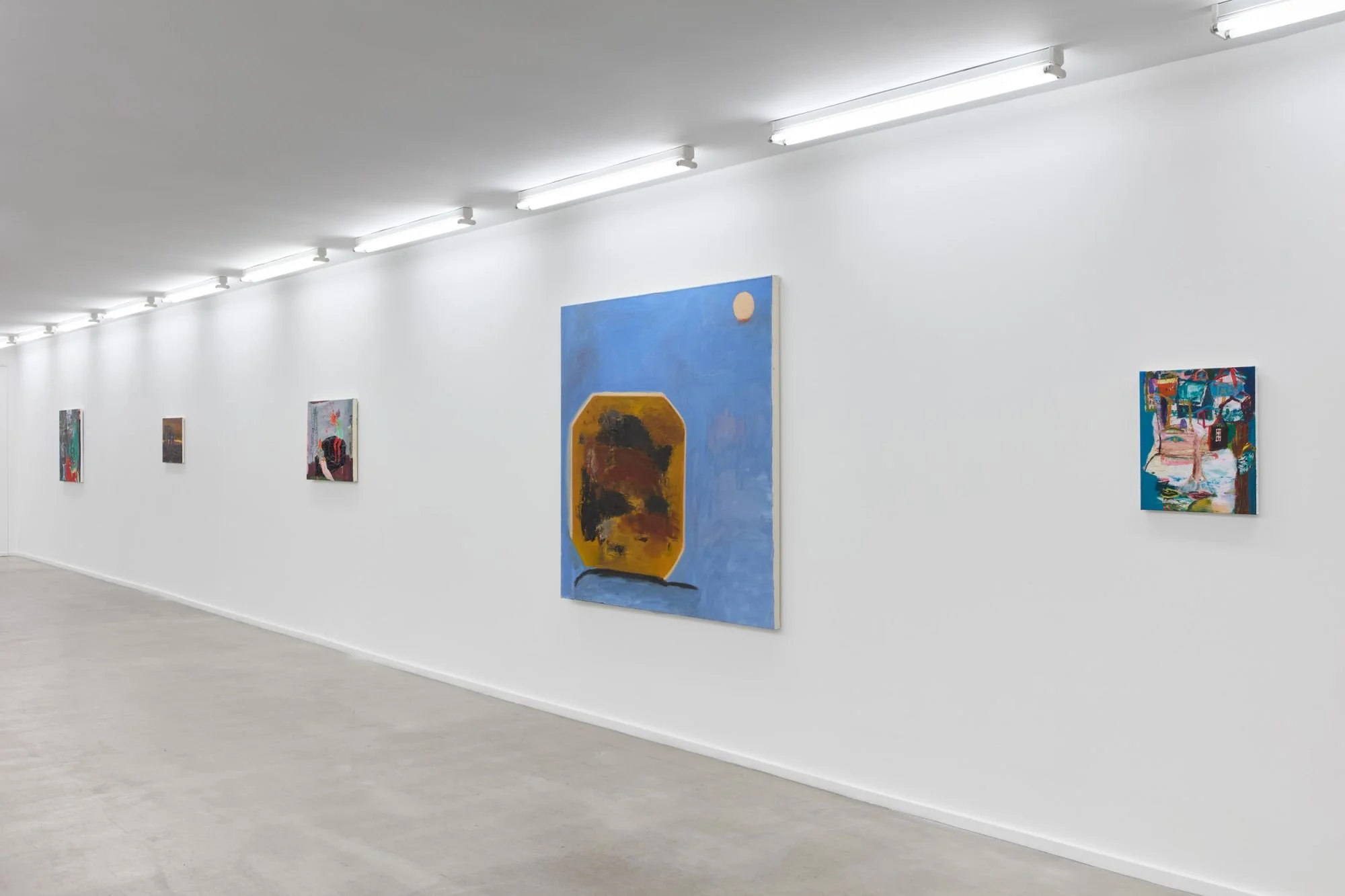
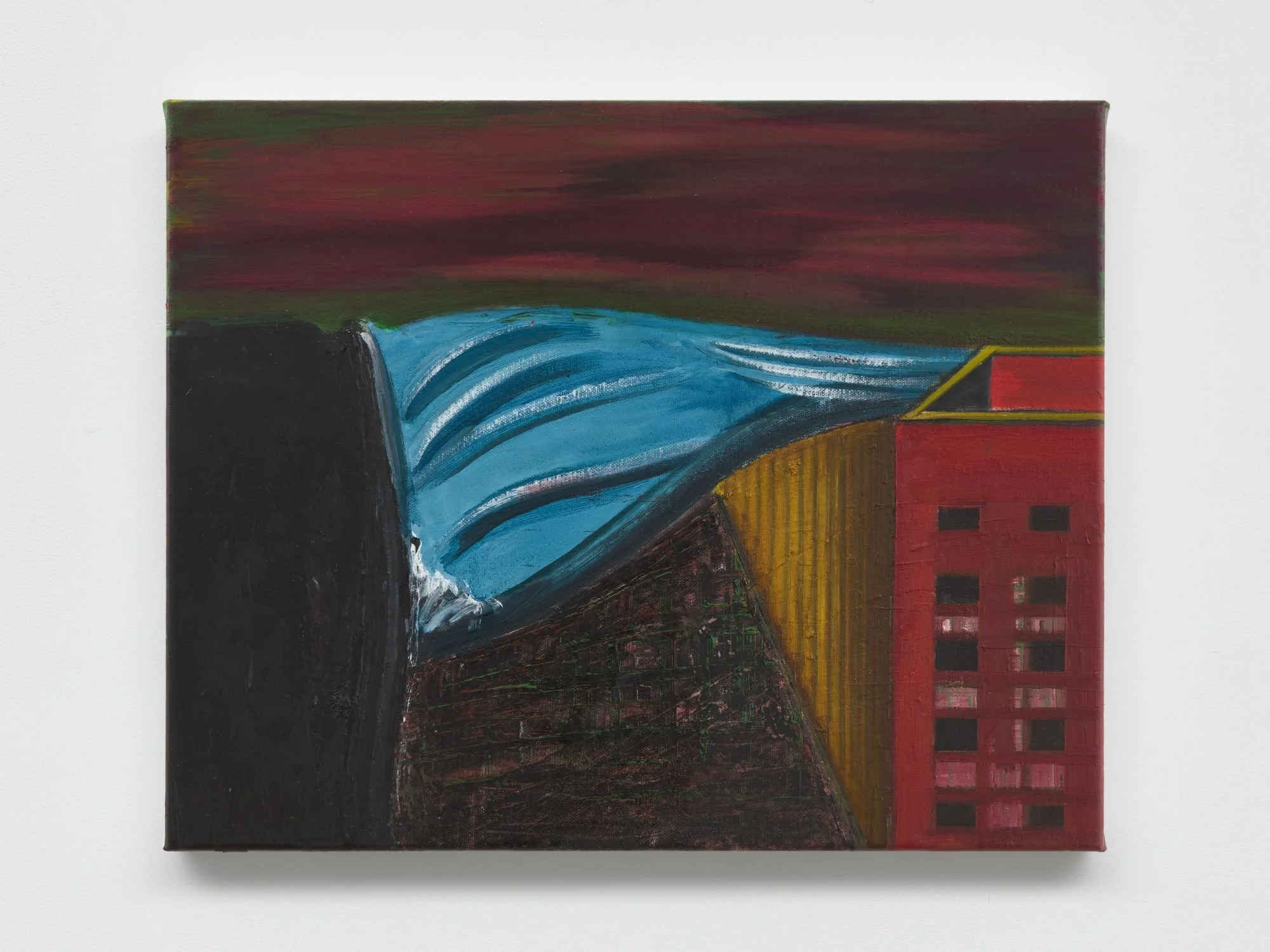
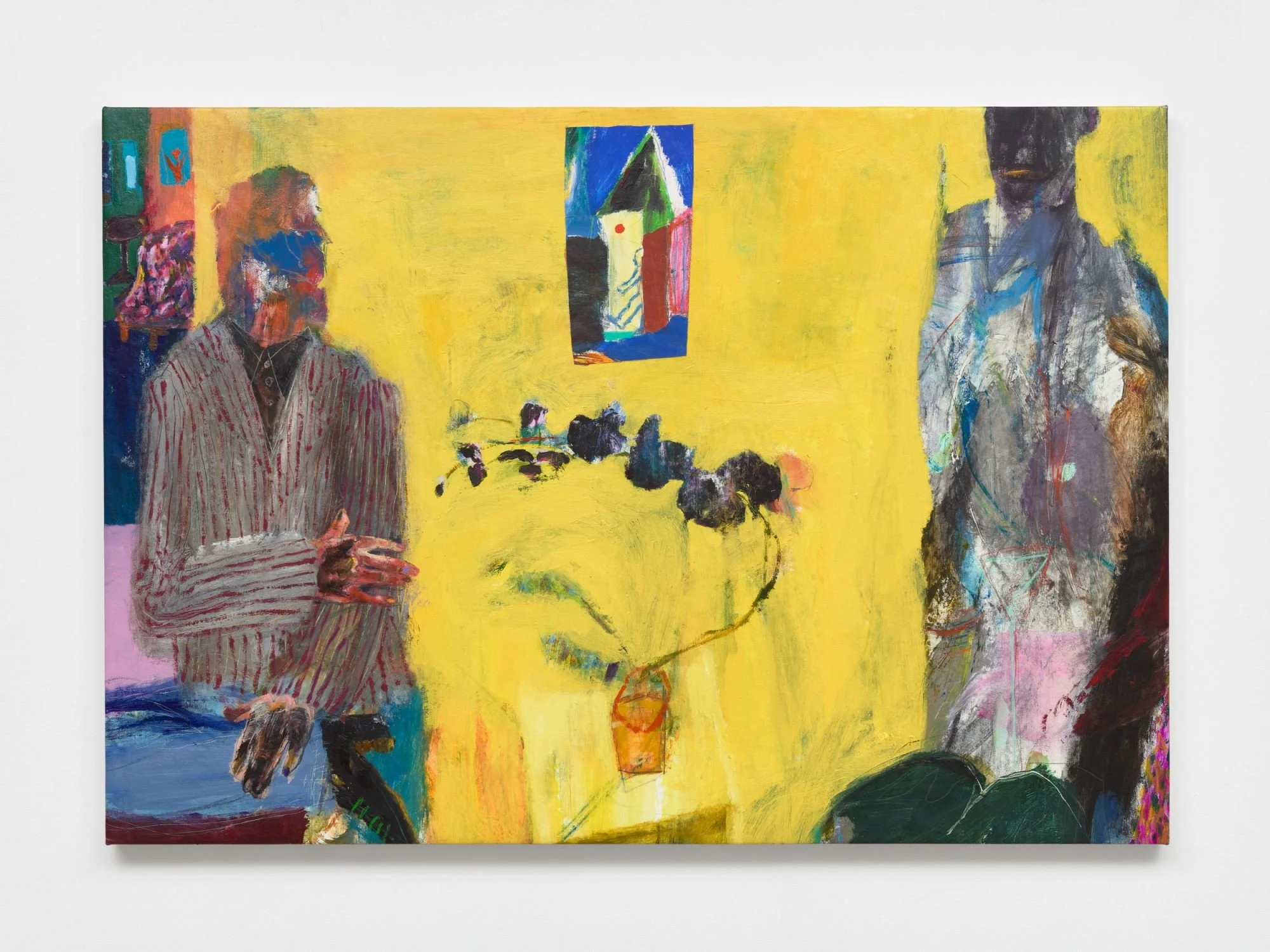
Taking the studio as both setting and state of mind, the exhibition explores how inner worlds are translated into visual form. Hahm’s paintings build on a language of geometric abstraction—borrowing and transforming shapes from art history into layered, emotionally charged structures. His compositions balance clarity and hesitation, precision and flux.
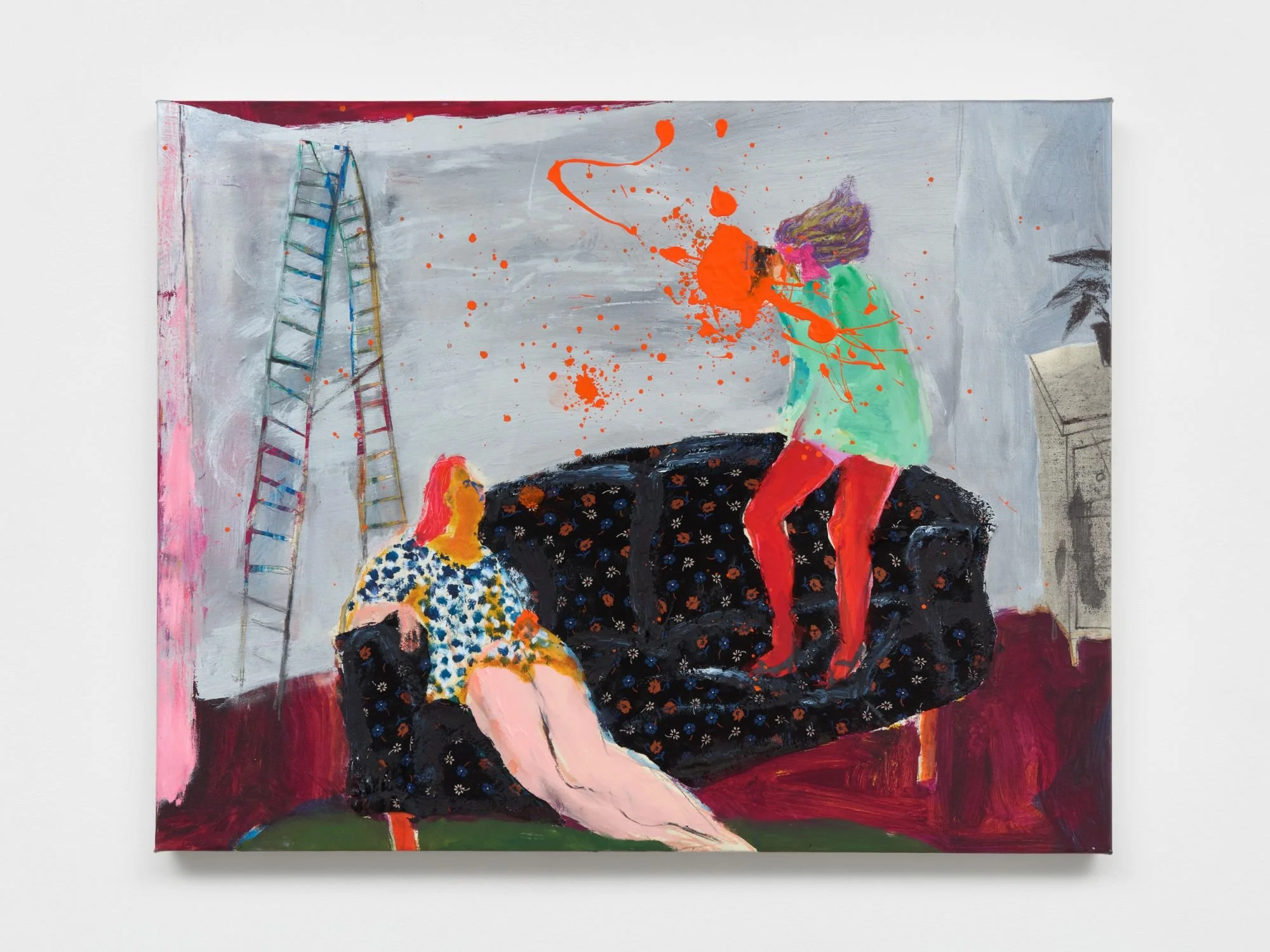
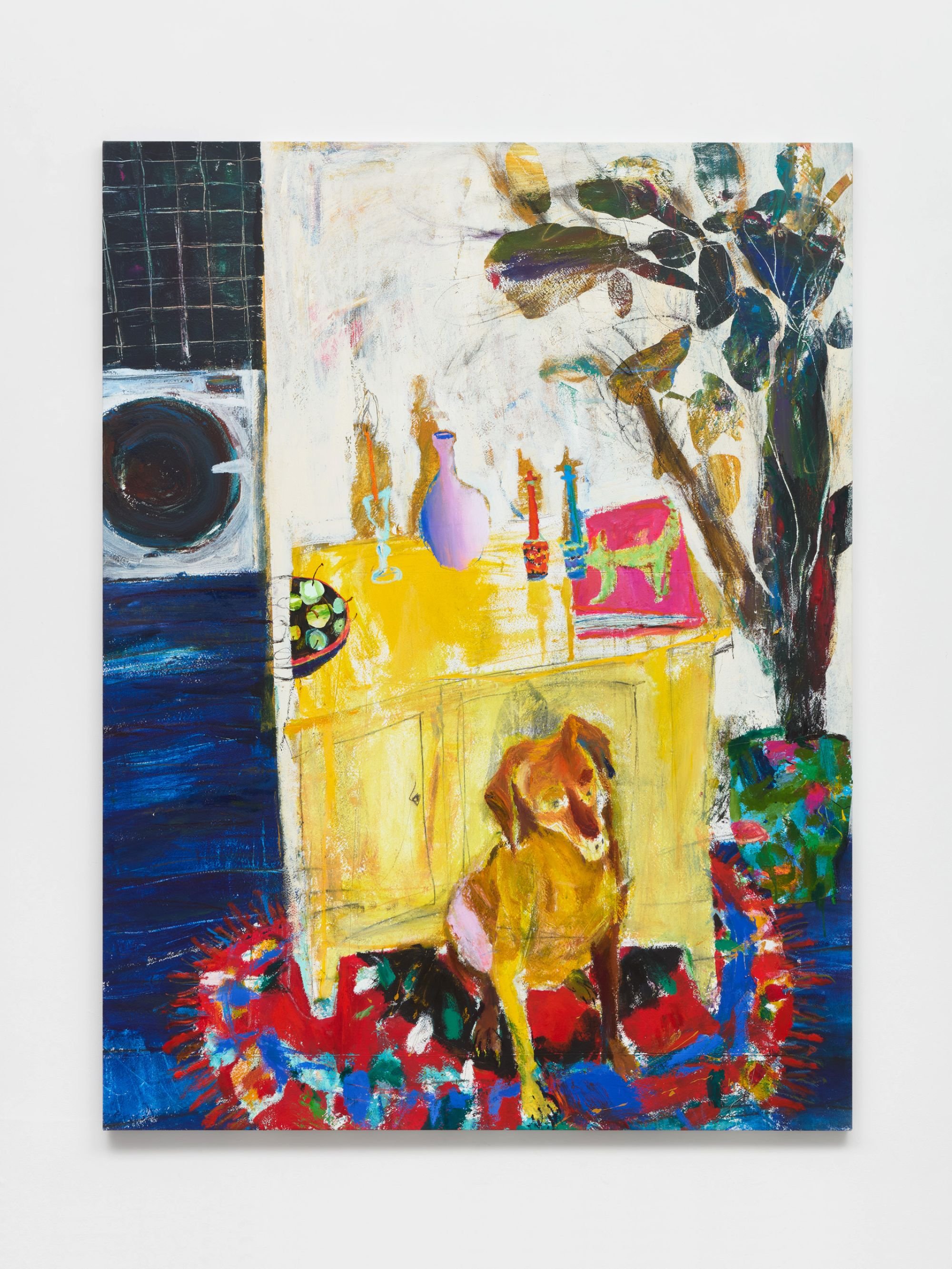
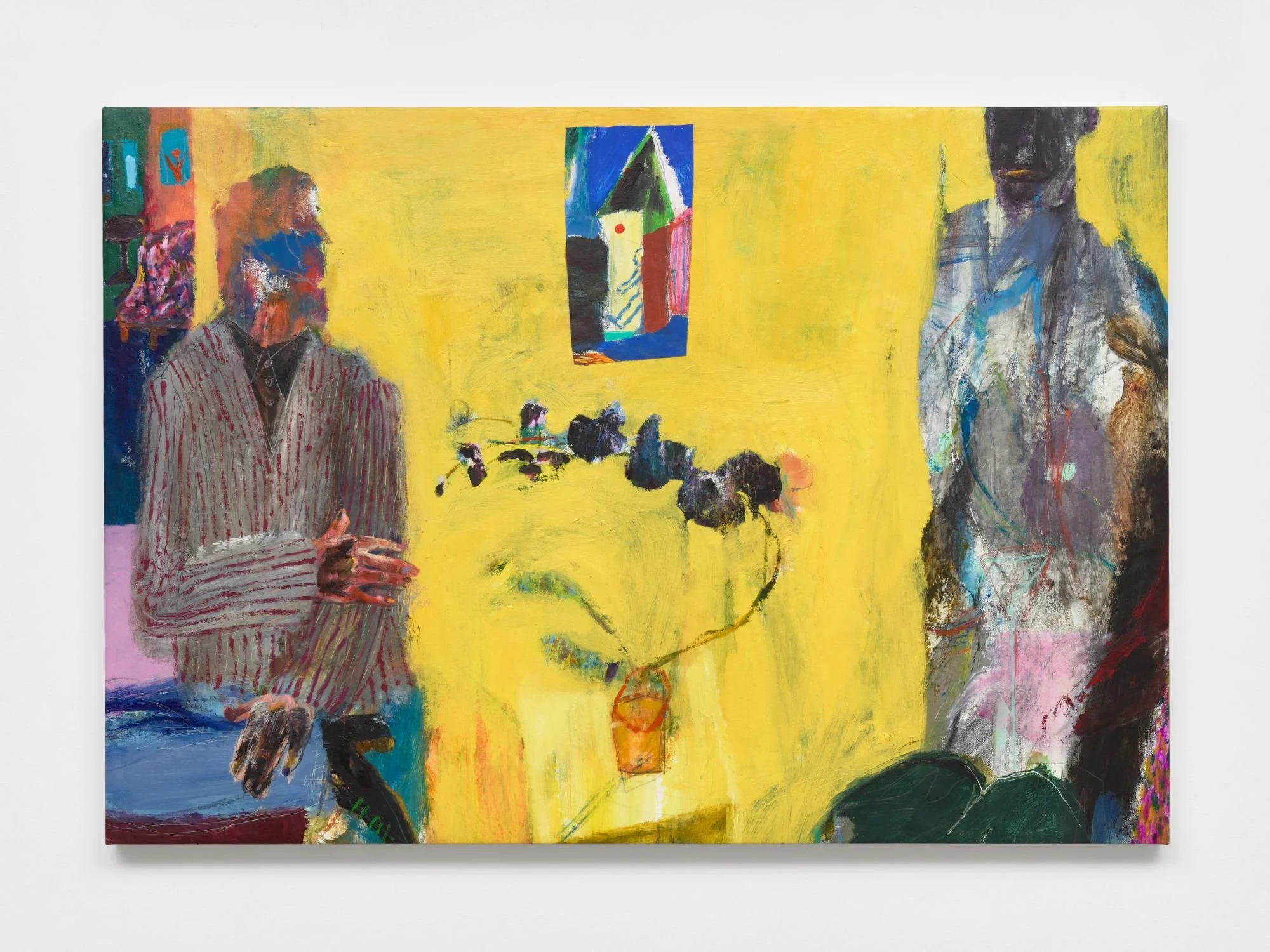
In contrast, Yang’s vivid figurative works unfold across domestic interiors animated by people, pets, and familiar objects. Collaged fabrics and expressive colour lend her scenes a sense of movement and unease, as if the space itself were alive. Both artists explore the threshold between inner life and external encounter—how the mind meets the world from within four walls.
Philip Guston once proclaimed "I think a painter has two choices: he paints the world or himself.” The artist goes on to express clear deference toward the latter mode, holding that an artist should pursue his own subjectivity as it relates to the world. Hwi Hahm is attached to this project, funneling an array of existential questions into his painted ecosystems. For instance, can geometry be personal? Hahm responds to this in part by grabbing shapes from other painters, recasting them in his own formal language. This becomes a crucial act of recovery and transformation.
In terms of the landscape, Hahm is painting through nodes demonstrated by Expressionists like Emil Nolde and Max Beckmann, whose emotionally driven brushstrokes often err on the violent. The bold lines that characterize Beckmann’s visual language are particularly useful in Hahm’s lexicon as the latter artist engages the angular as abstracting utility. This tactic is newer for the painter, who has largely abided by a more logical approach to the medium. When appraising these recent works, one should observe that Hahm’s self imposed rules are becoming more flexible. He has begun hinting at figures and observing the value of both repetition and linearity. Here, geometric systems are instilled with a subtle human presence, though his paintings hover indefinitely, never landing on stable ground.
By contrast, Areum Yang holds fast to a representational mode of painting. Her peopled scenes are often set within domestic spaces, resulting from the artist’s interest in the sociocultural conventions of the United States. She stages dinner parties and other interior happenings, grounding them in formal principles that have been established from instinct, habit, and energetic references like Matisse. For instance, Yang’s larger composition is dominated at its center by a yellow side table and canine protagonist. Elsewhere, figures occupy couches or hang ominously in sweeps of pigments. The subjects illustrated aren’t based on photographs or known figures, but rather, informed by affective exploration and the desire to open up personal experience to a universal viewership. These paintings are thus a direct response to life, posing the question: how does one meet the world?
The resulting compositions are perspectivally diverse, as Yang explores how objects might look back at us. She also pursues chromatic and textural resonances in order to stir up pronounced visceral responses to her work. As such, collaged fabrics and old paintings appear across Yang’s canvases. The artist finds new “homes” for her own disused garments and abandoned images, architecting the materials into the canvas . She stages collaborations between drawing and painting, too, weighing certain illustrative structures against oils and acrylics. Regardless of clear figuration, Yang approaches her paintings from an angle of emotional abstraction; her whims and feelings are constantly funneled into the compositions. She speaks of the process as wrought with its own struggles and anxieties. The painter wages psychological warfare within the studio, which manifests itself as tangled imaginal fields and bold chromatic interplay.
In this two-person exhibition, “Thinking of That Room,” both Hahm and Yang respond to the intrapsychic woes of studio labor, and the struggle of converting inner worlds into visual materials. Being consigned to “the room” here, is being trapped by one’s mind. However, the subject of closed space is also instilled with imaginative potential: how might one trace the contours of an interior? How might one explore the mind when limited by these four walls? The exhibition unfolds as such, through literal representations and evocative abstractions.
Info + opening times
PM/AM